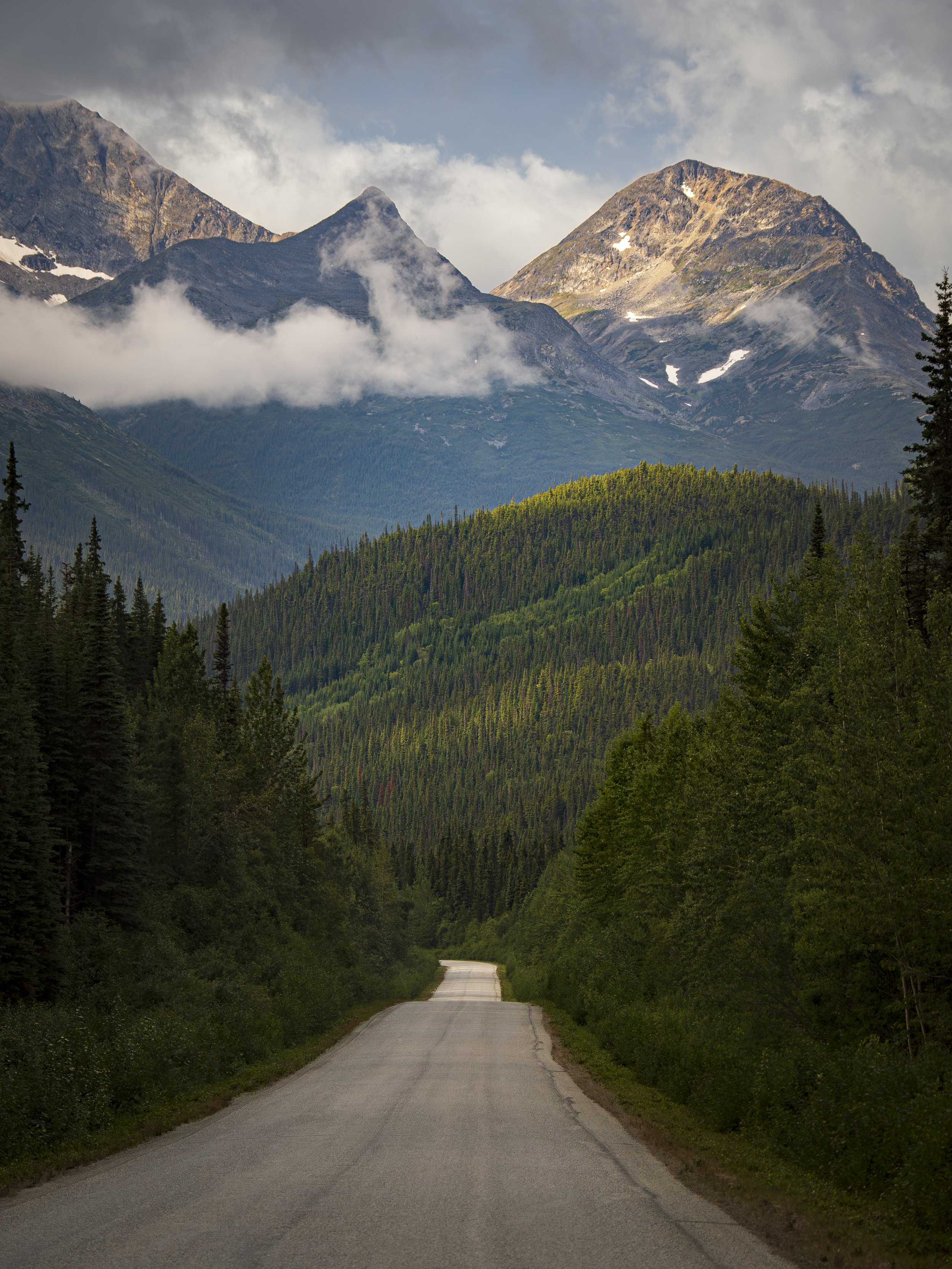
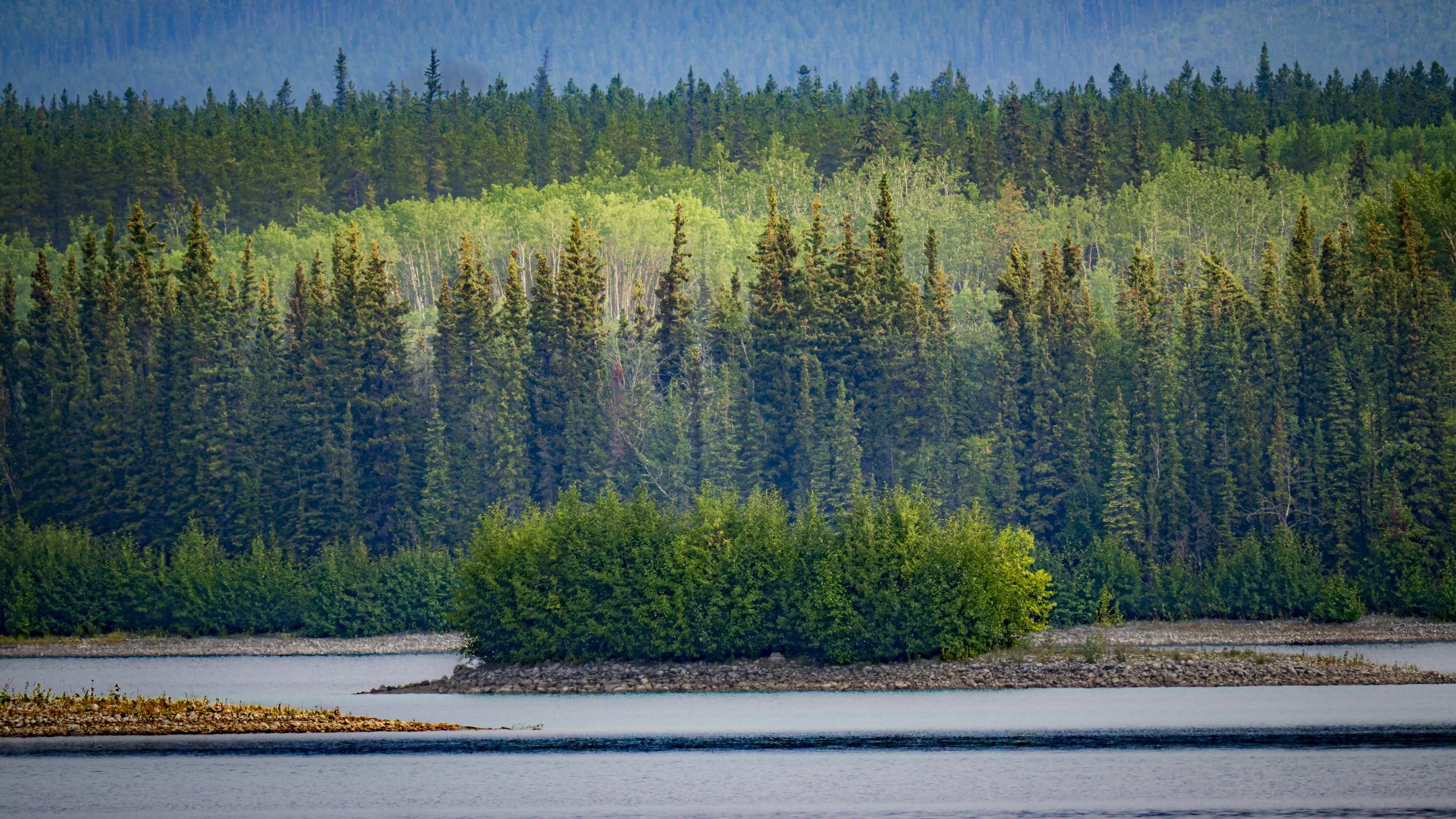
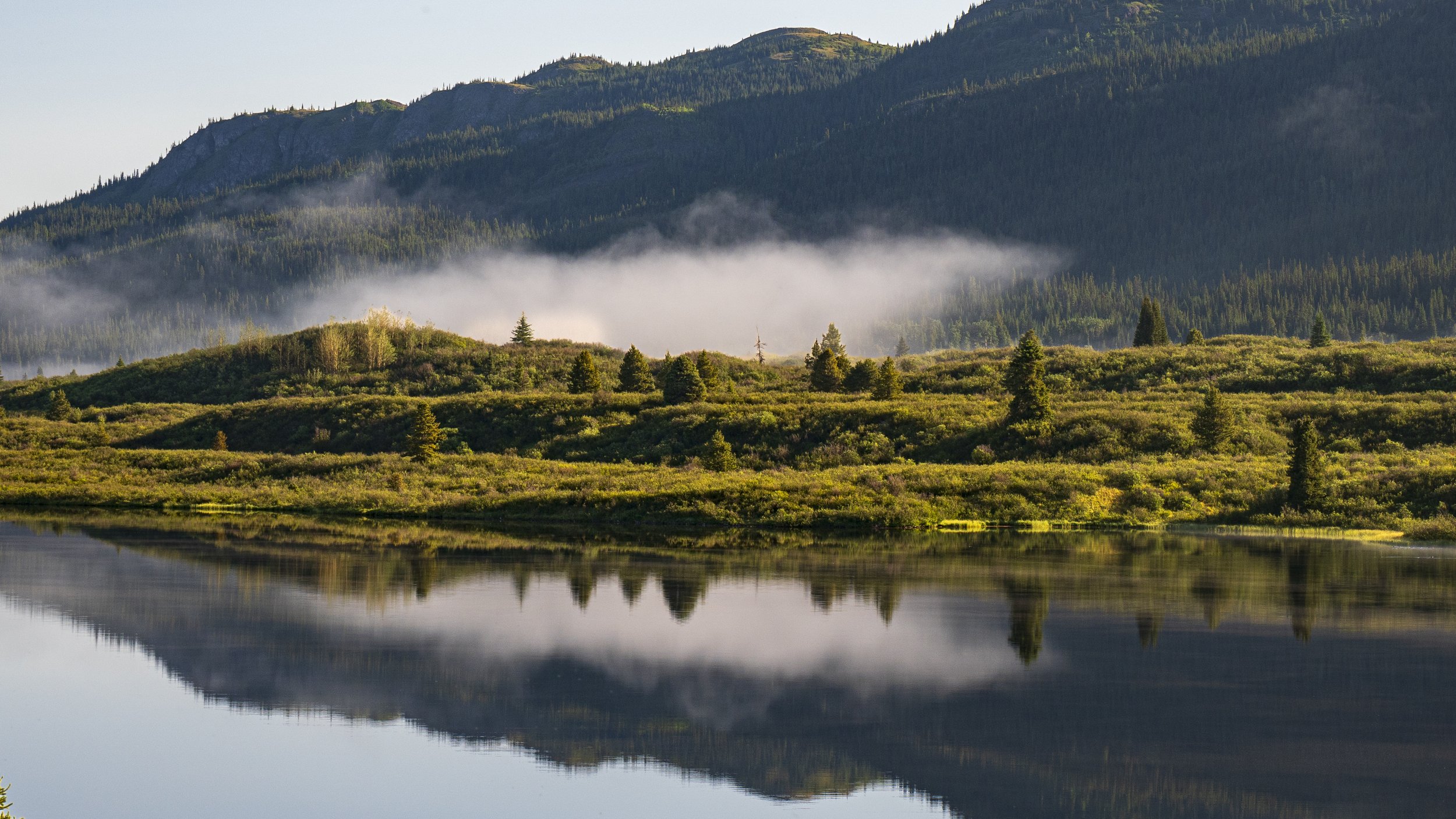
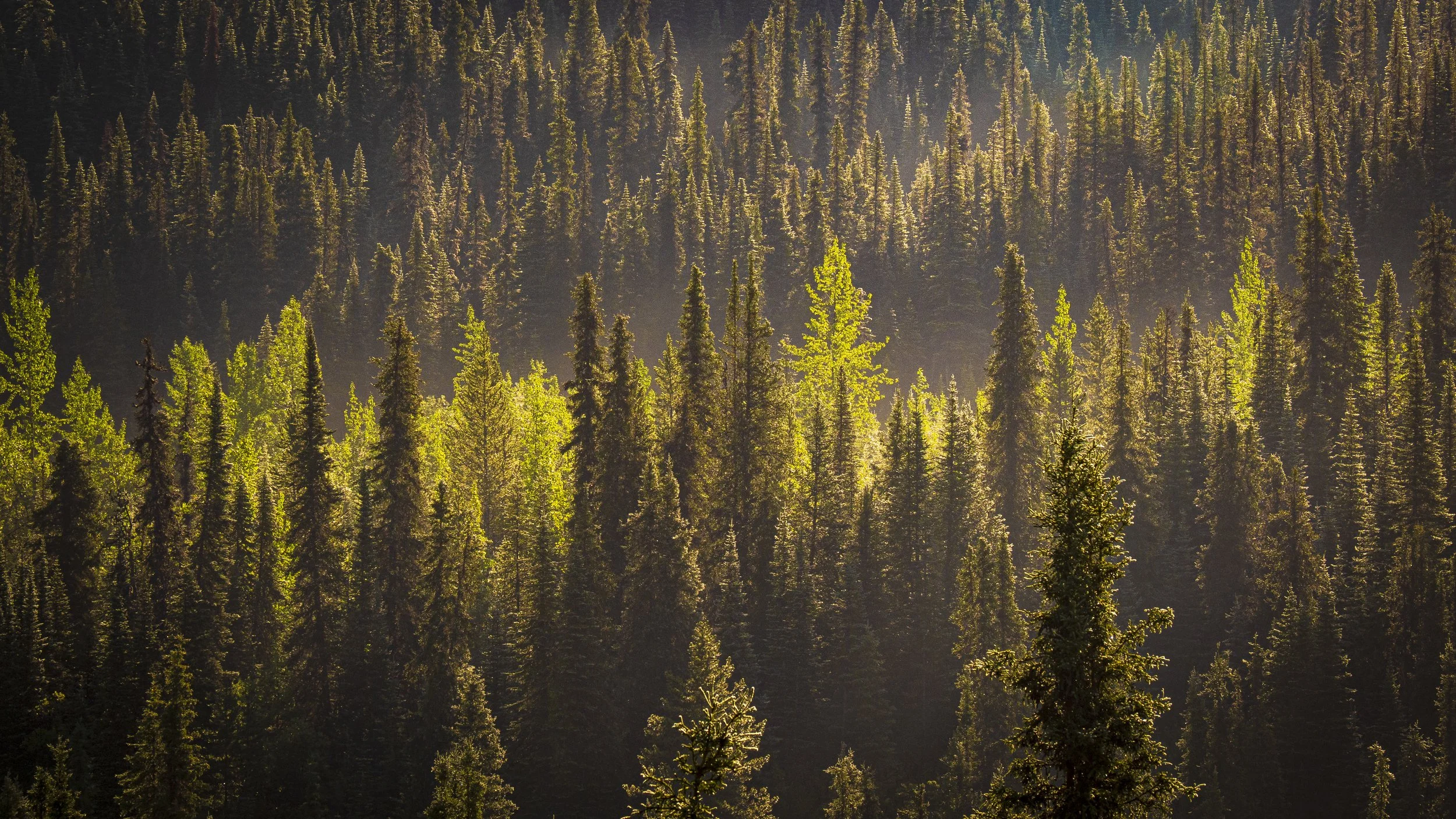
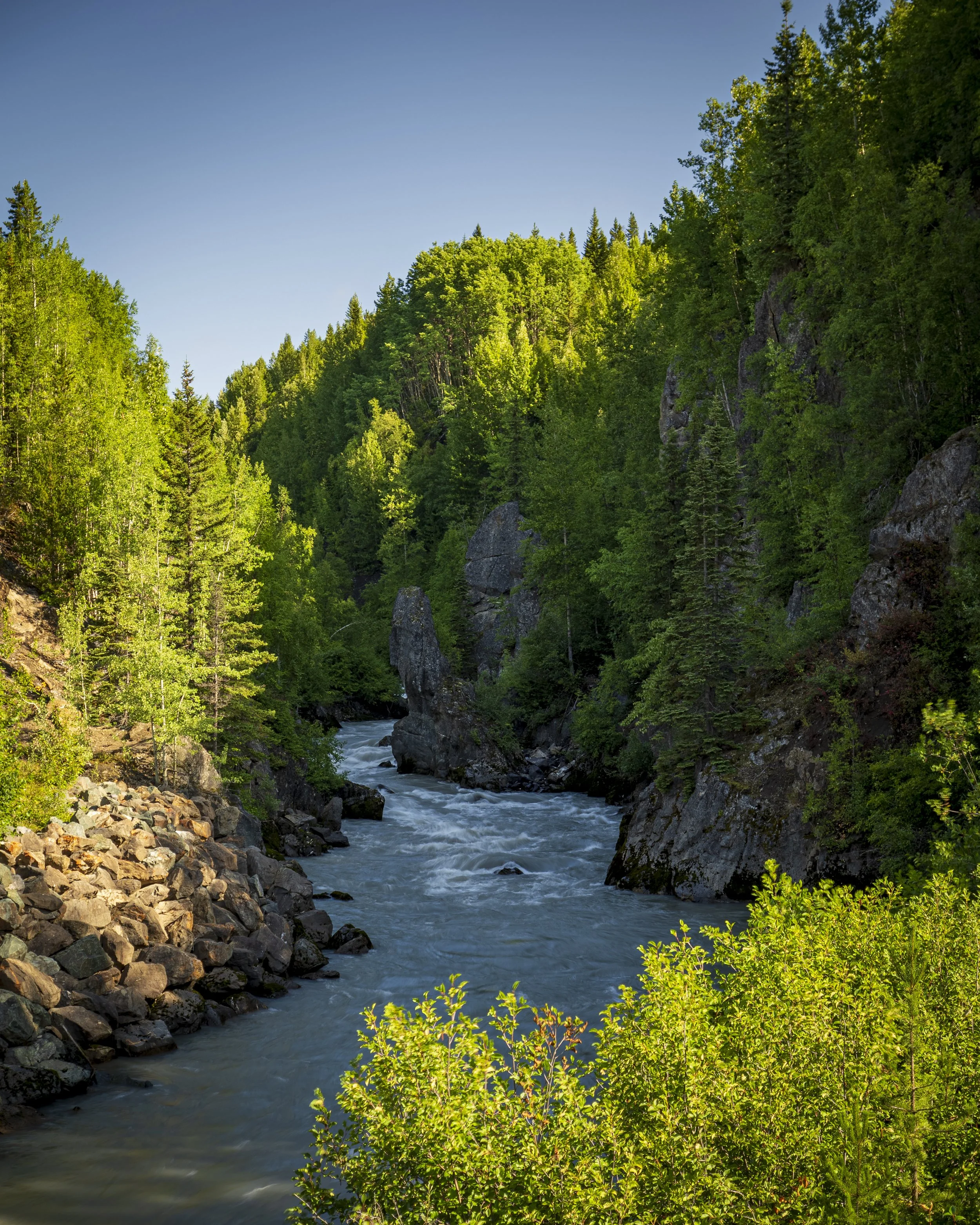
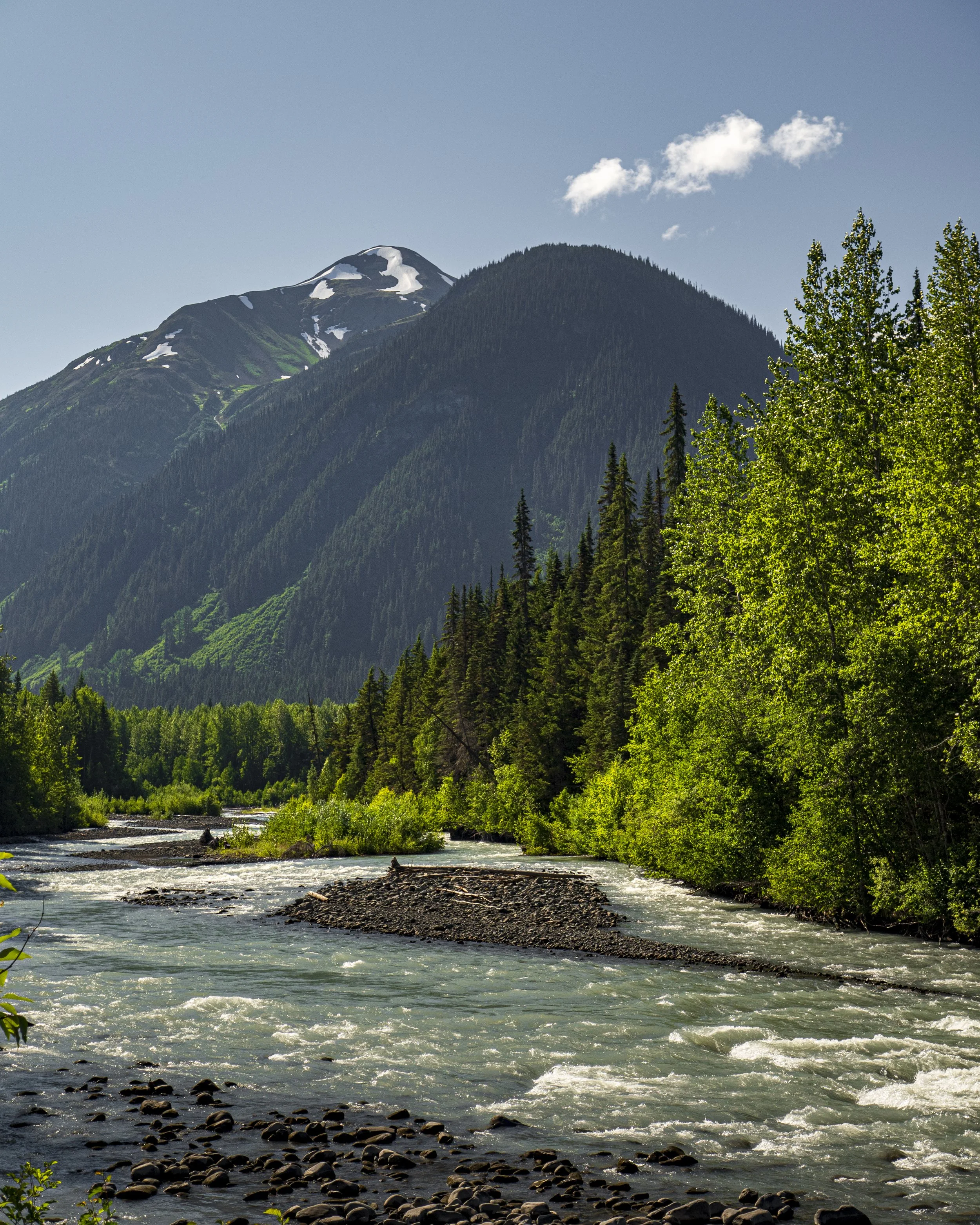
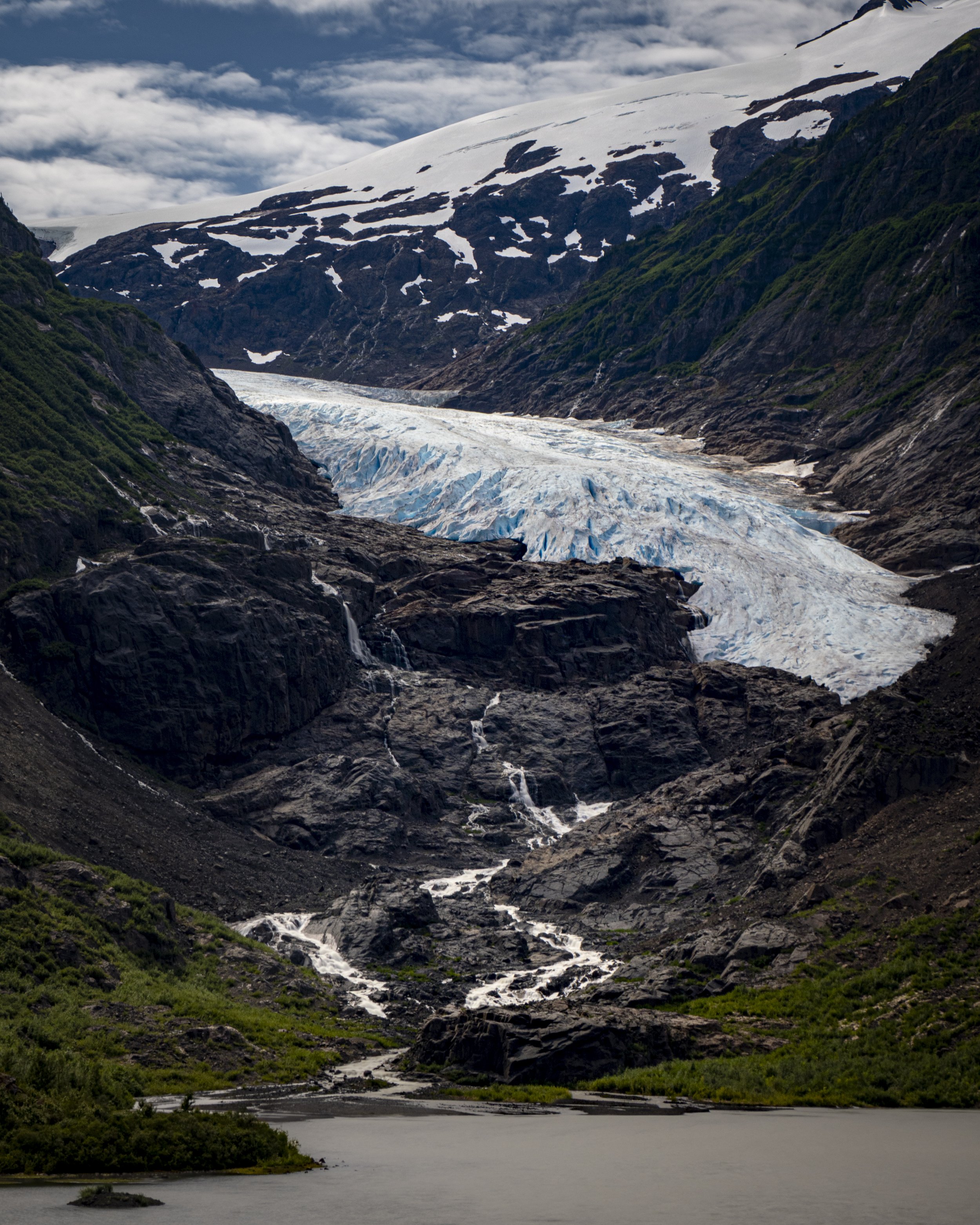
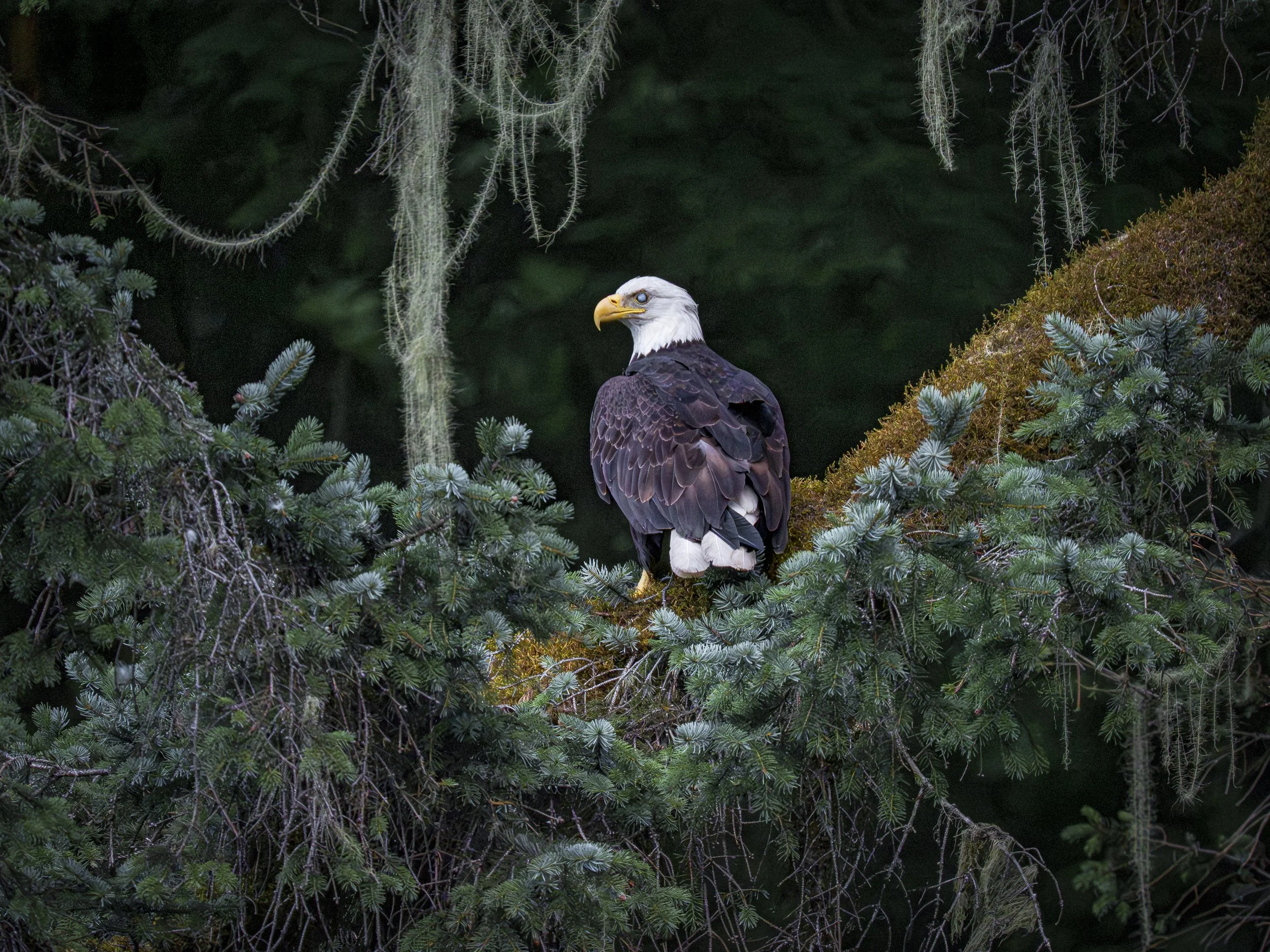
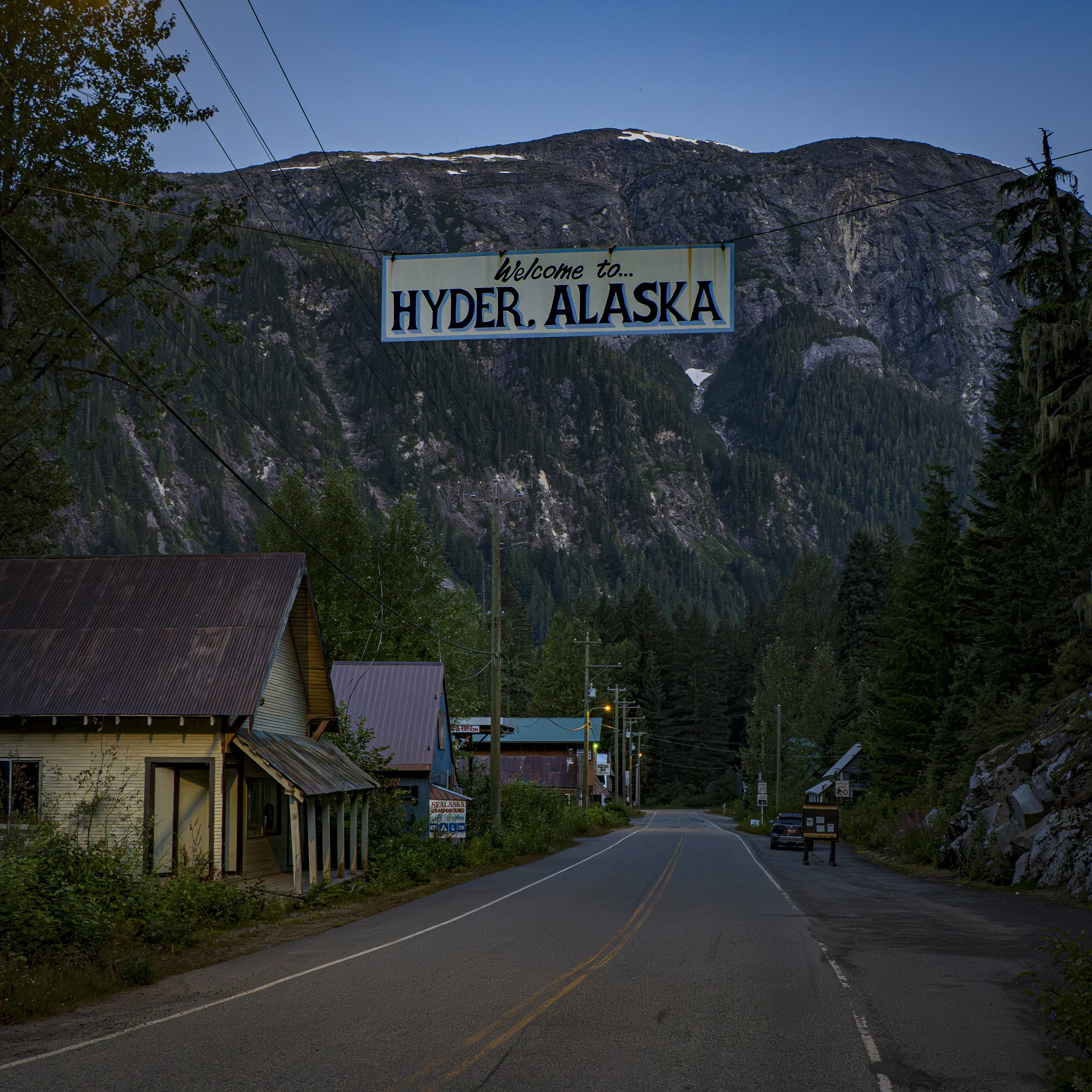
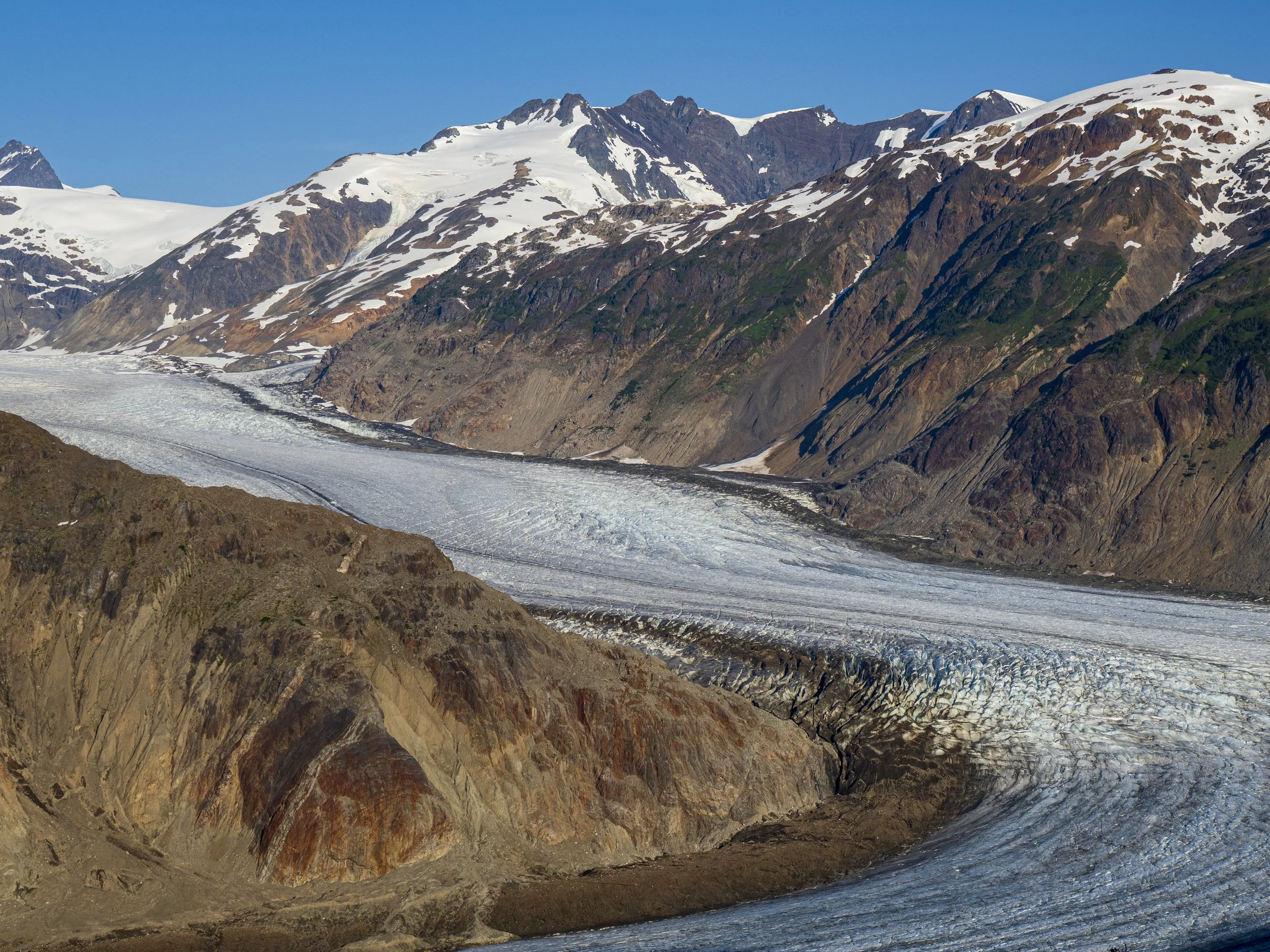
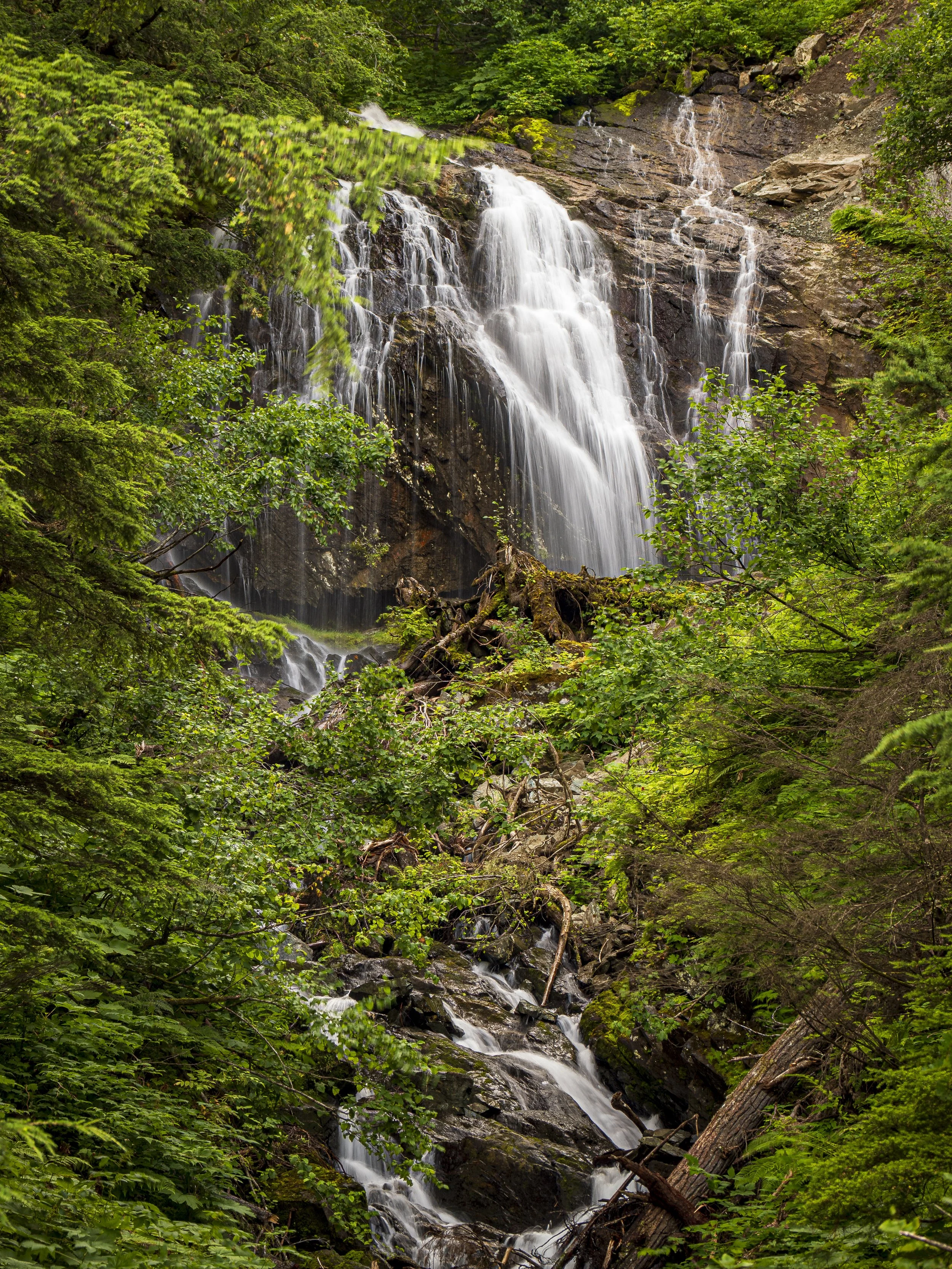
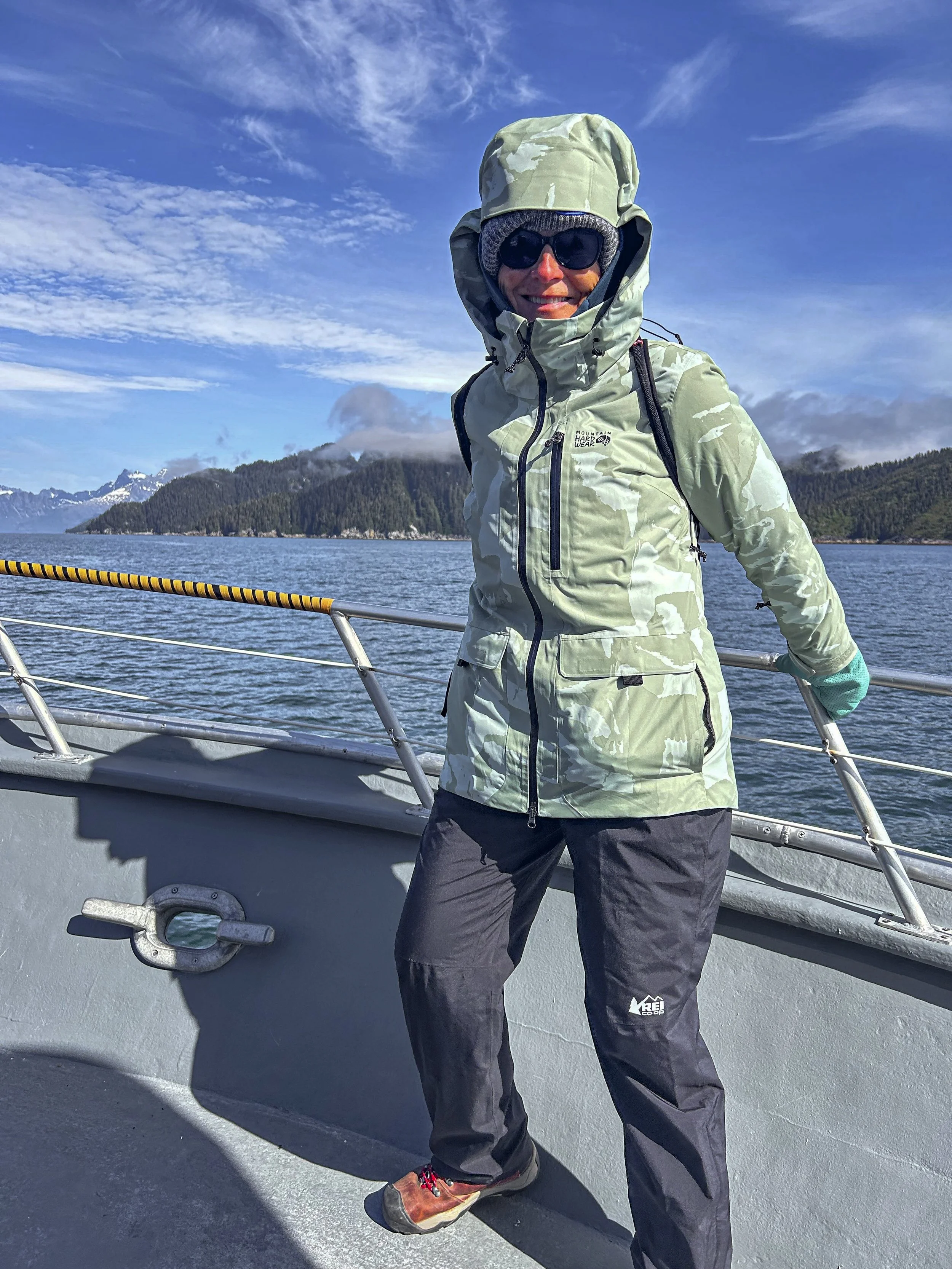
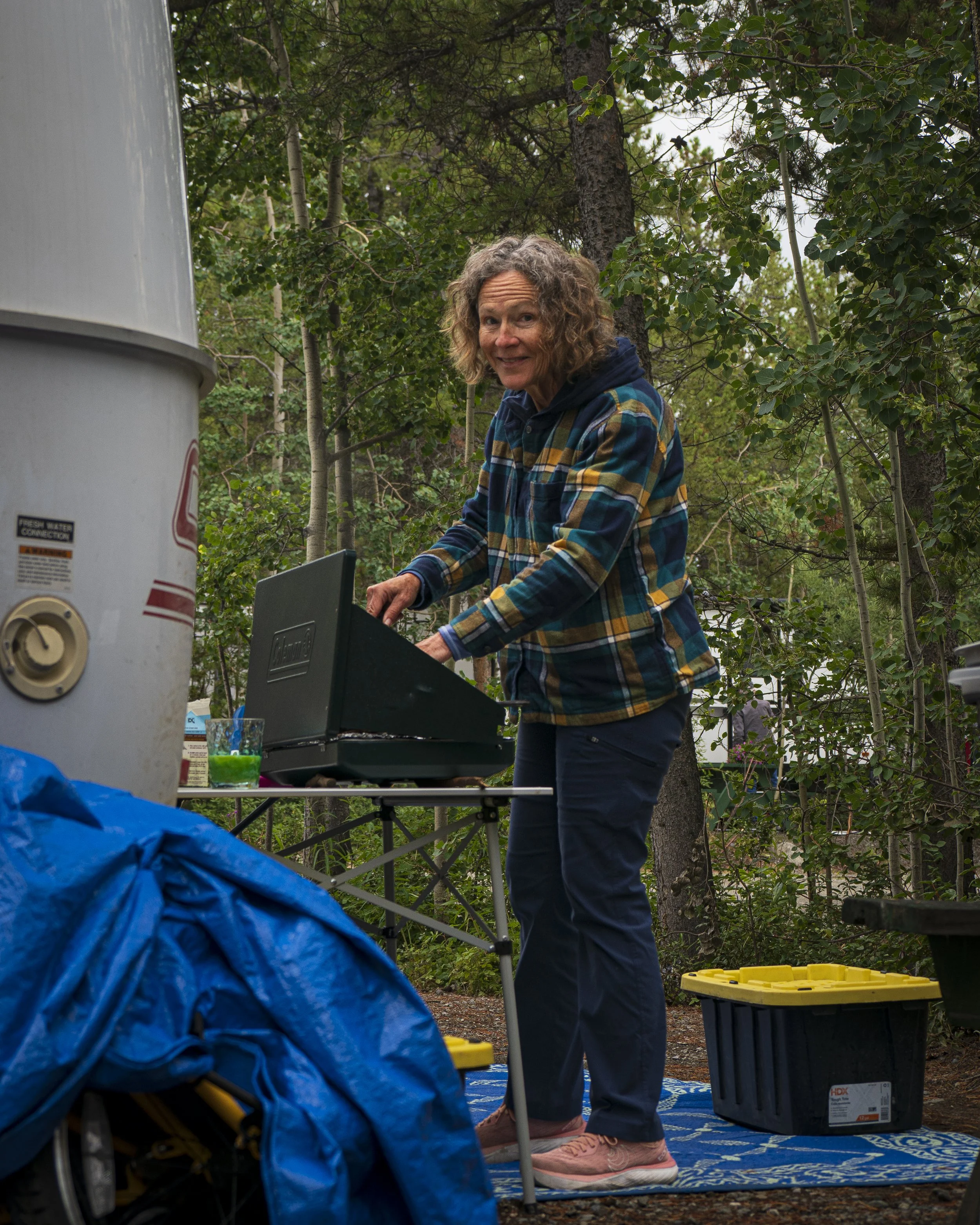
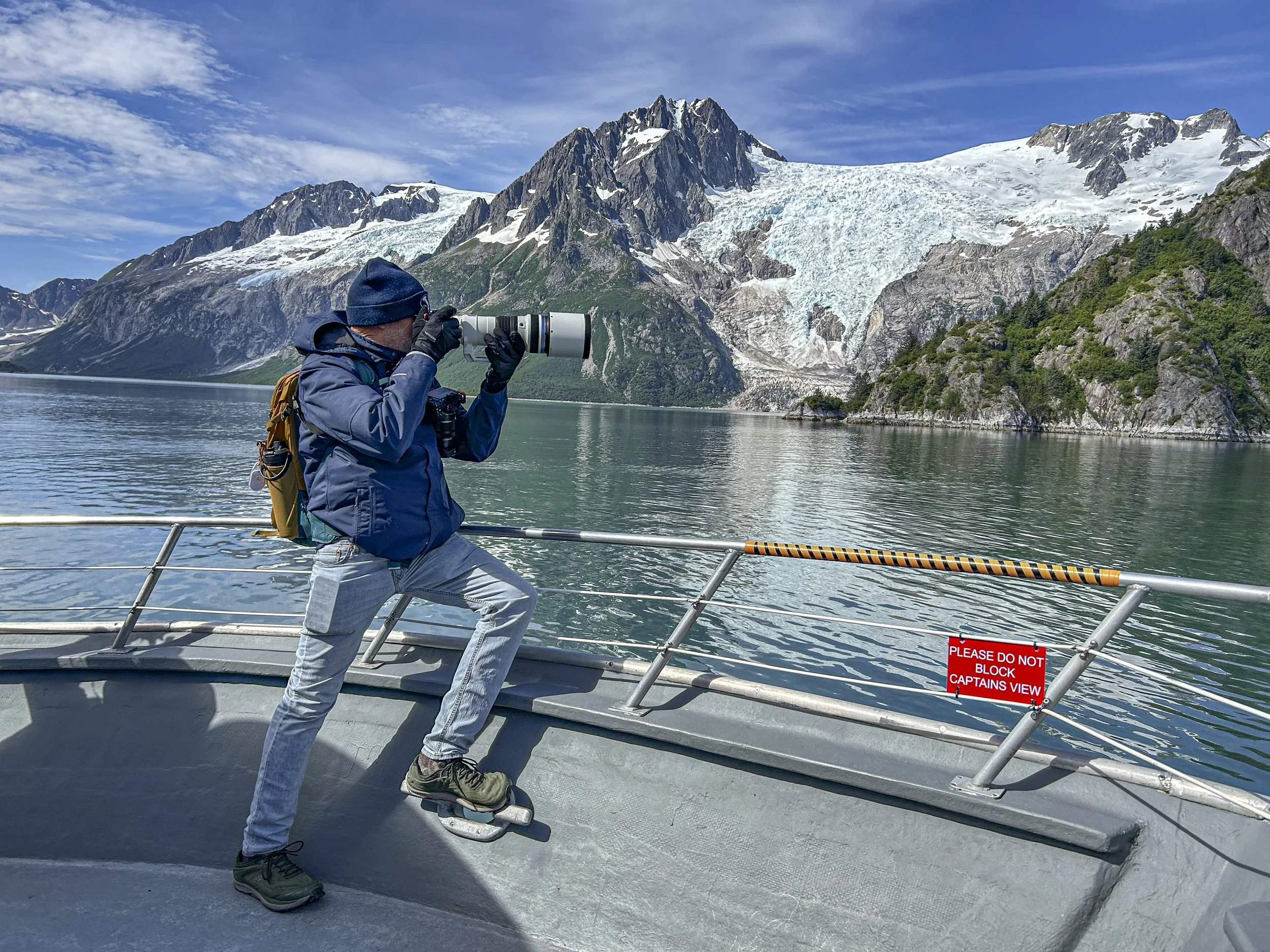
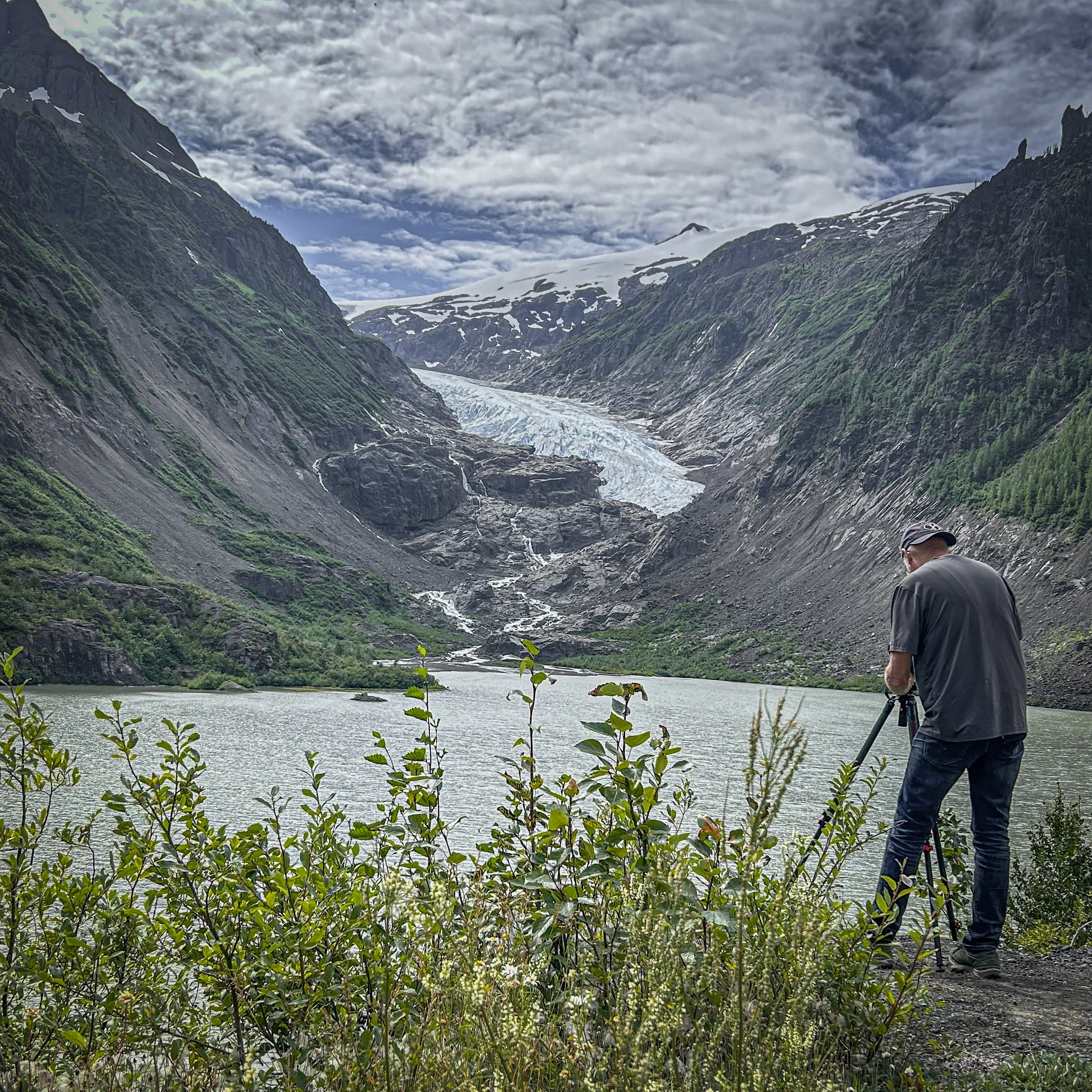
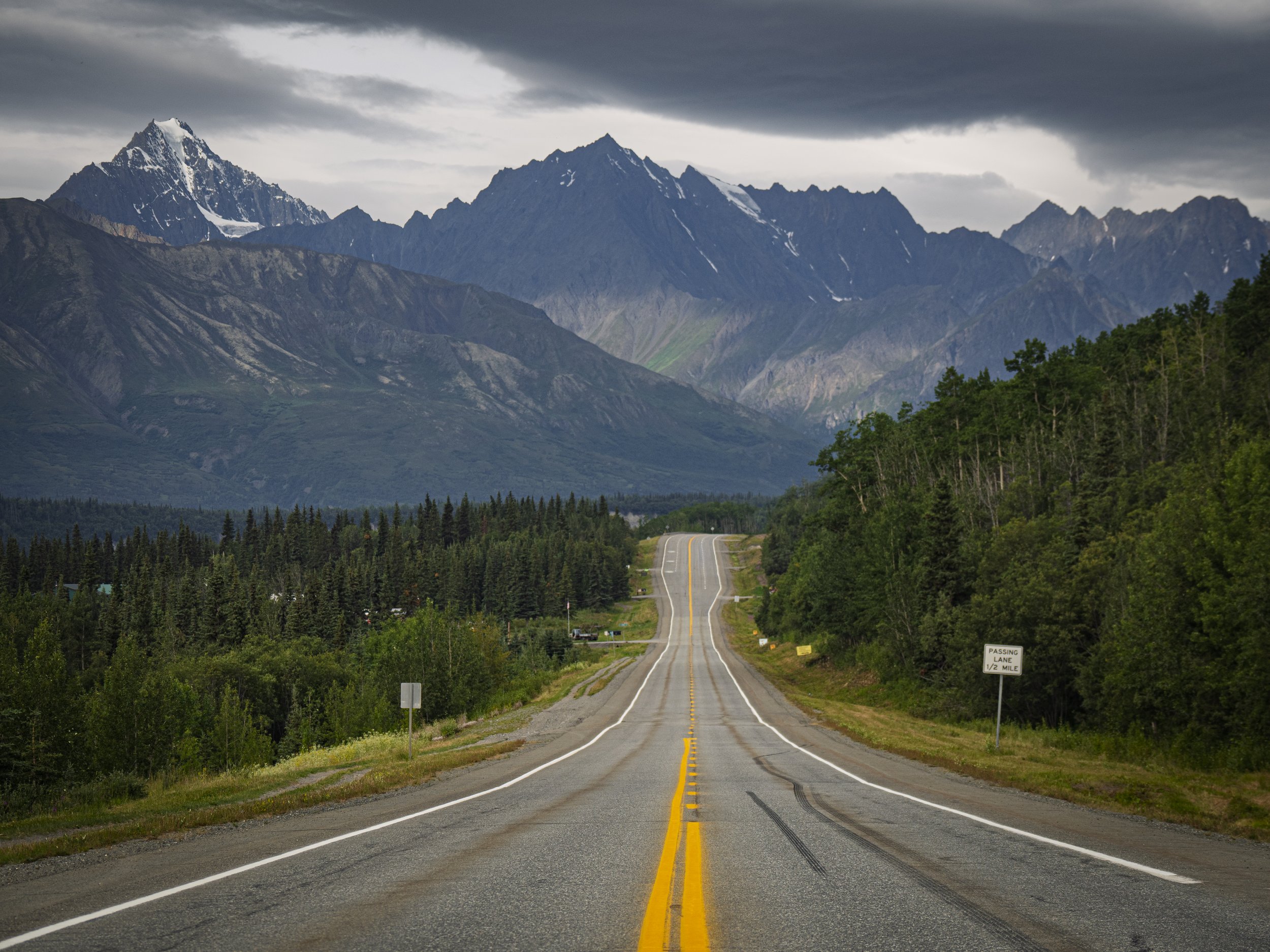
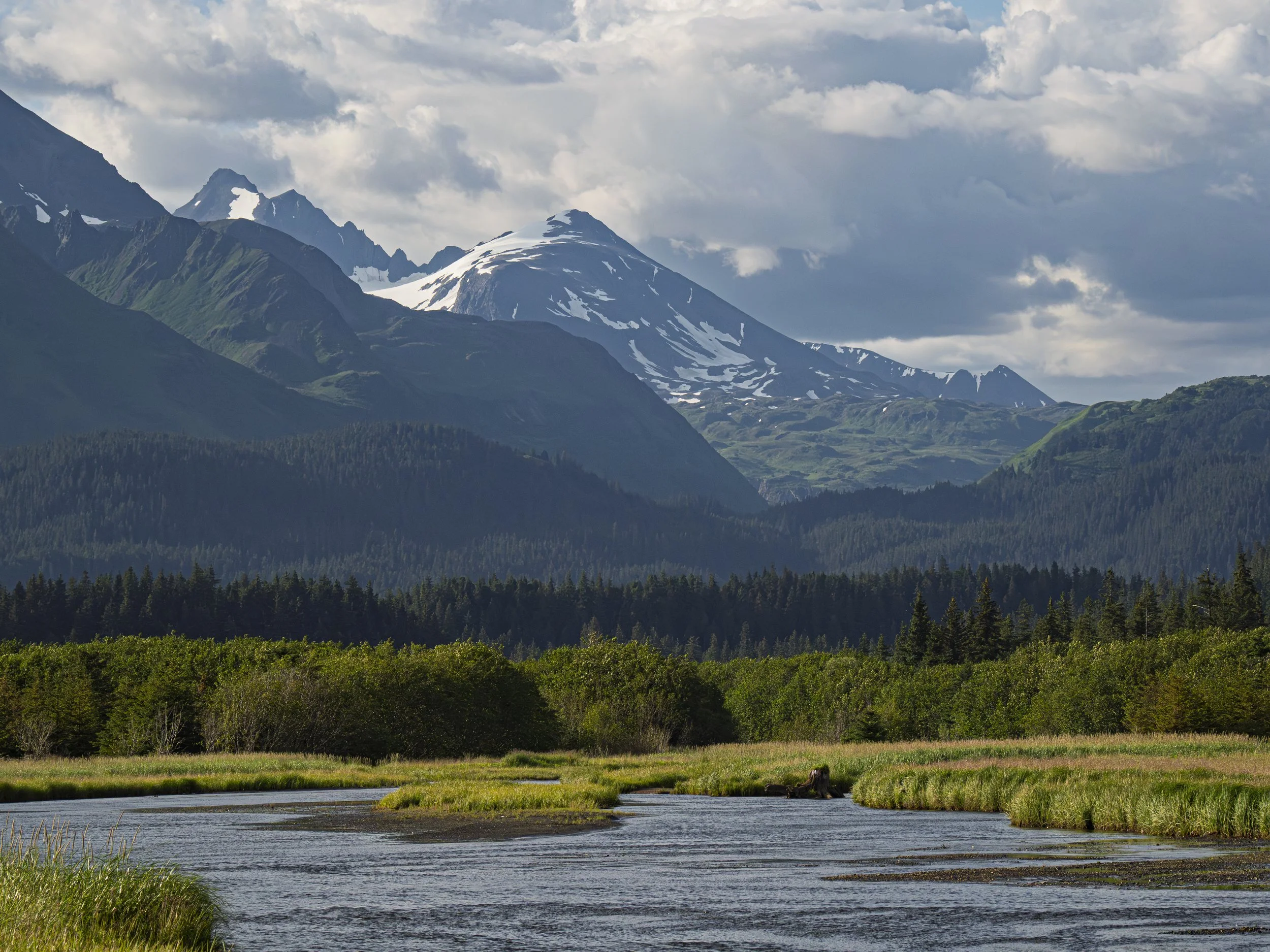
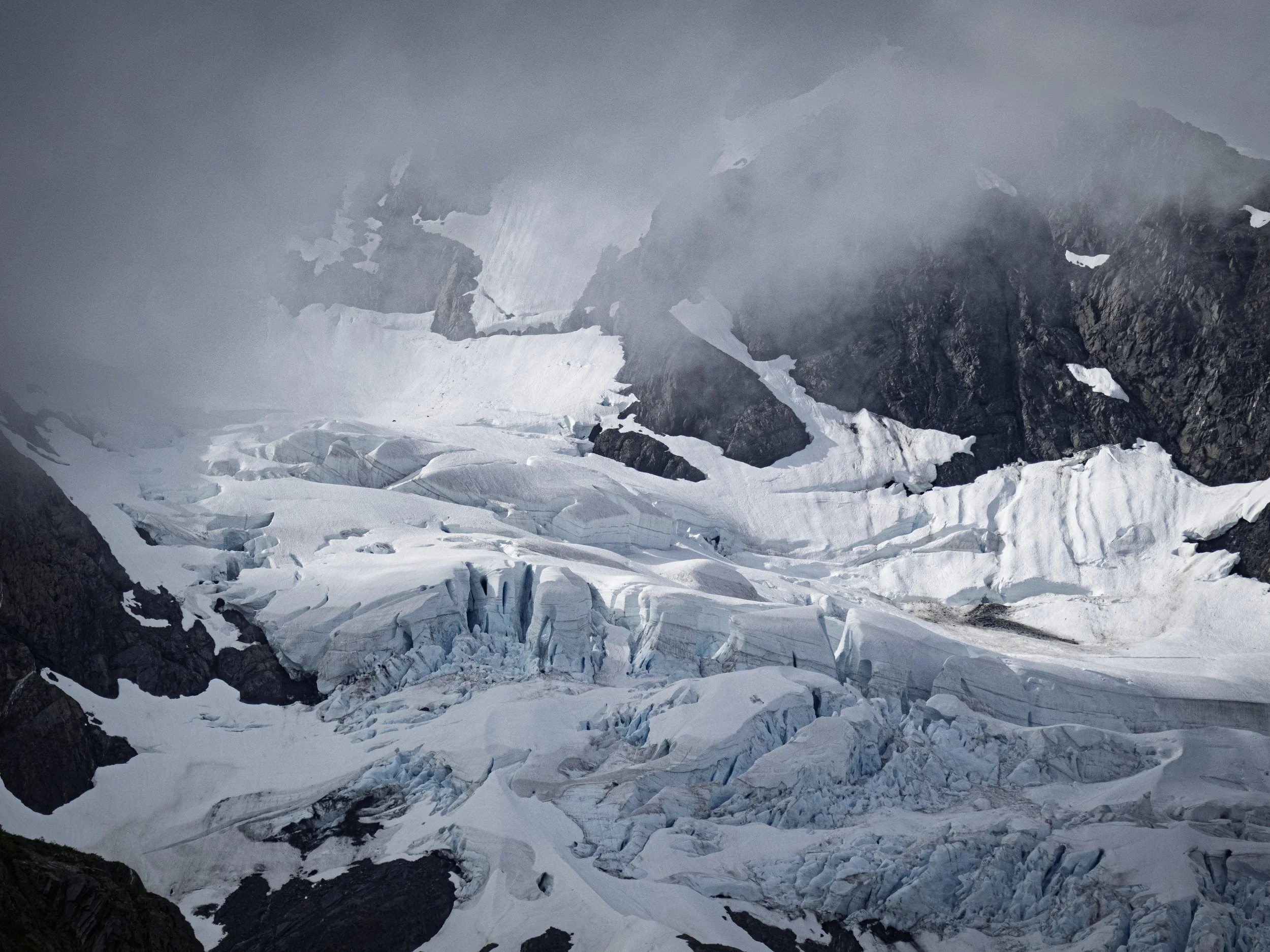
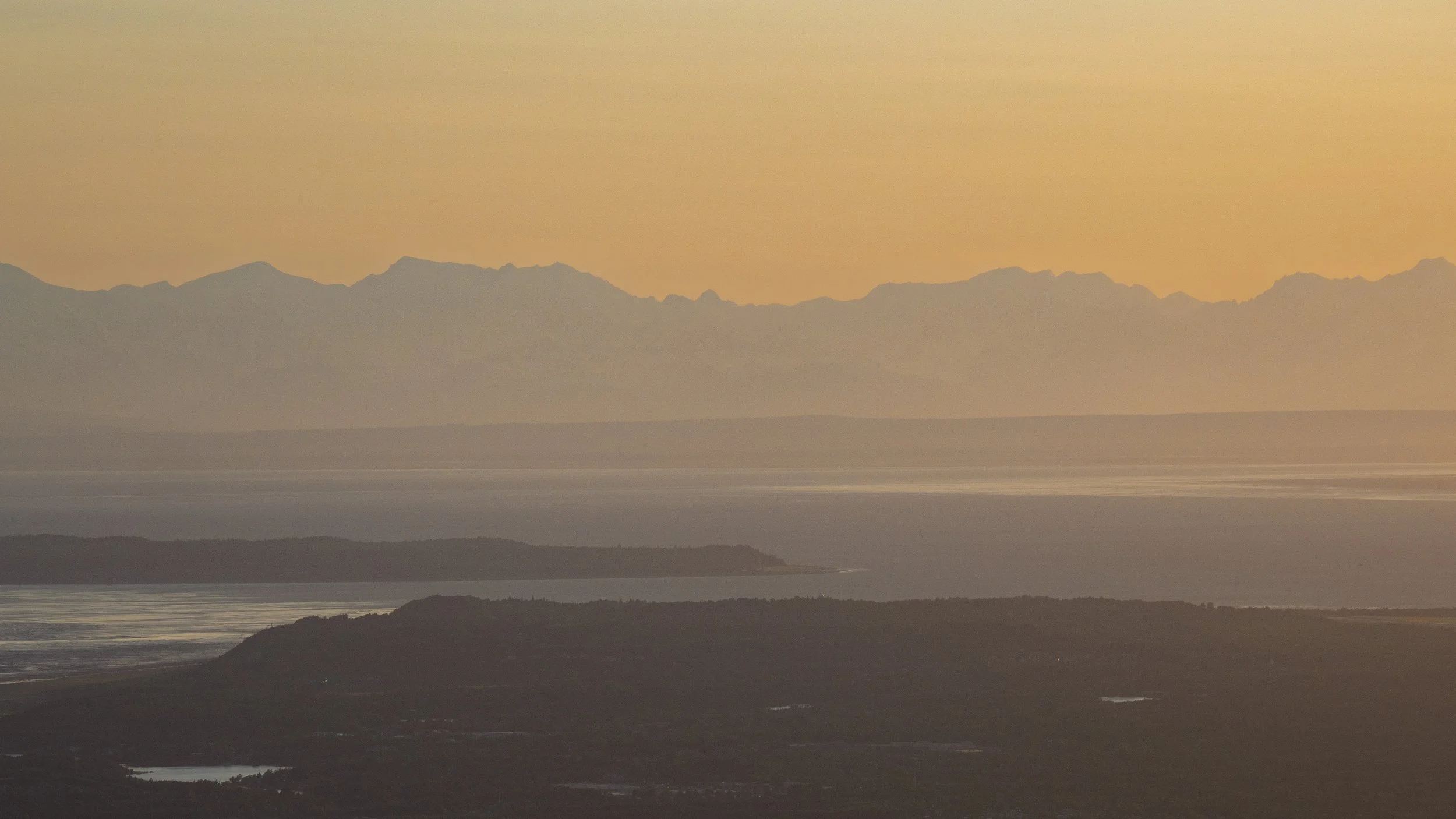
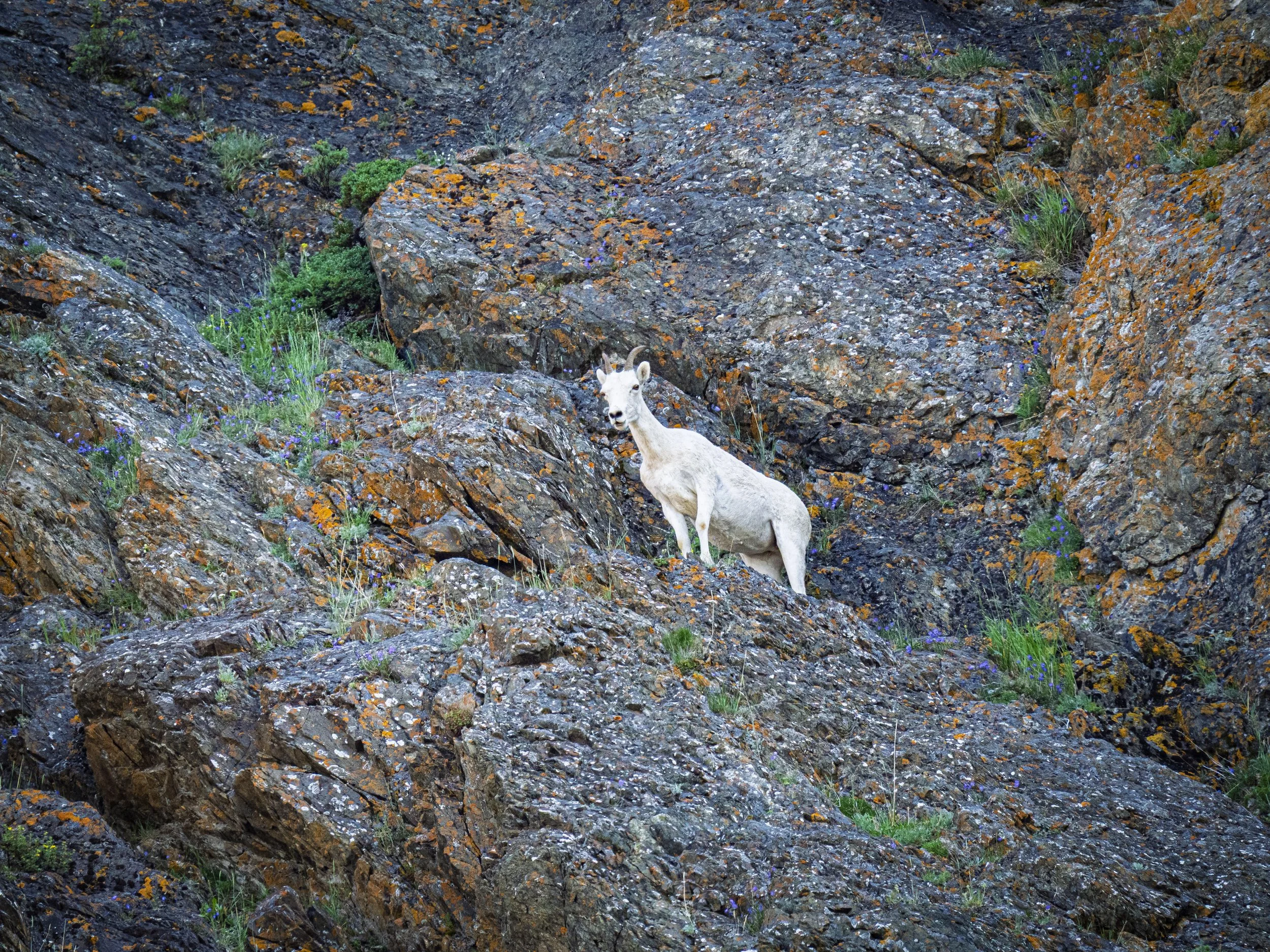
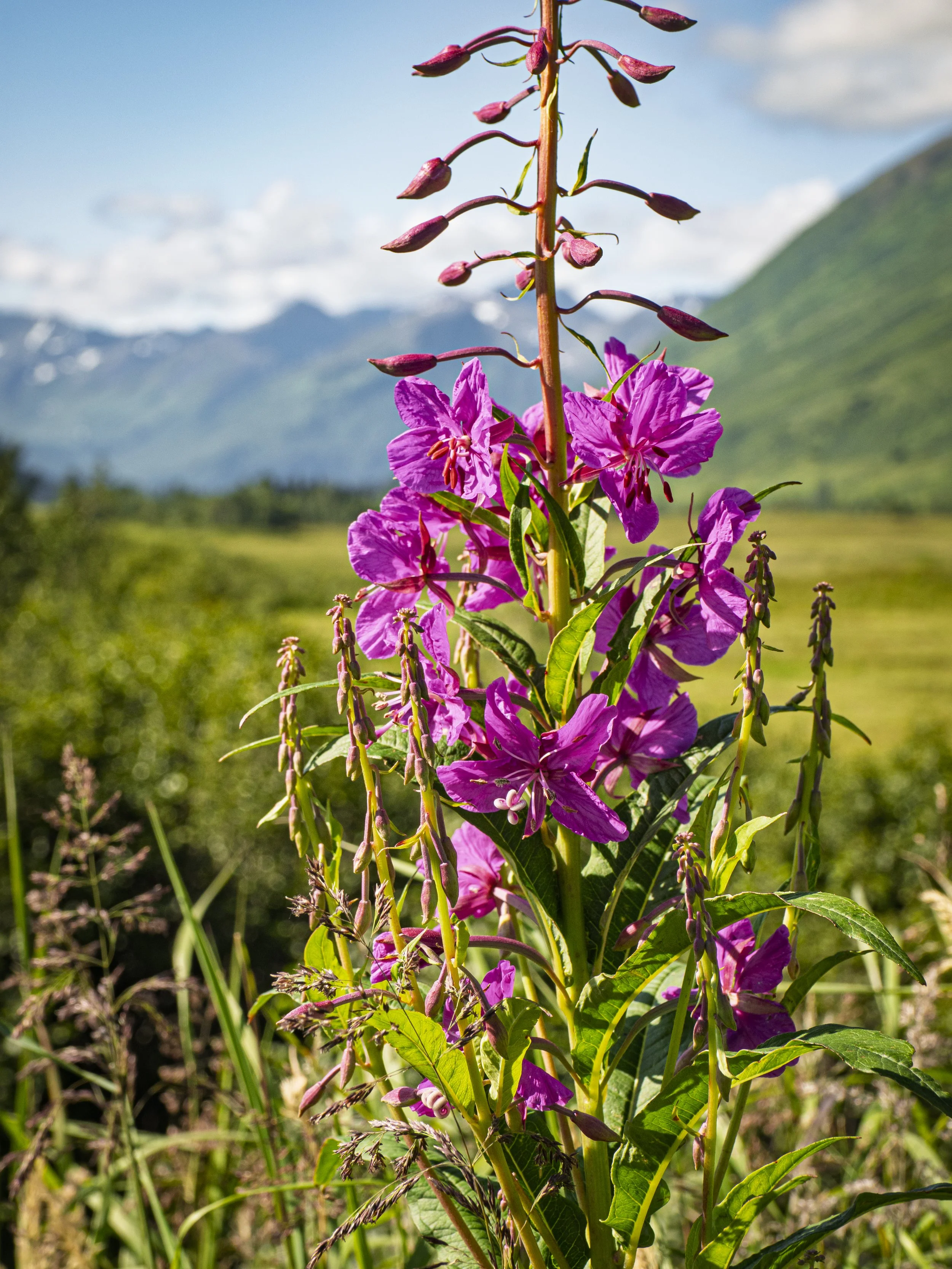
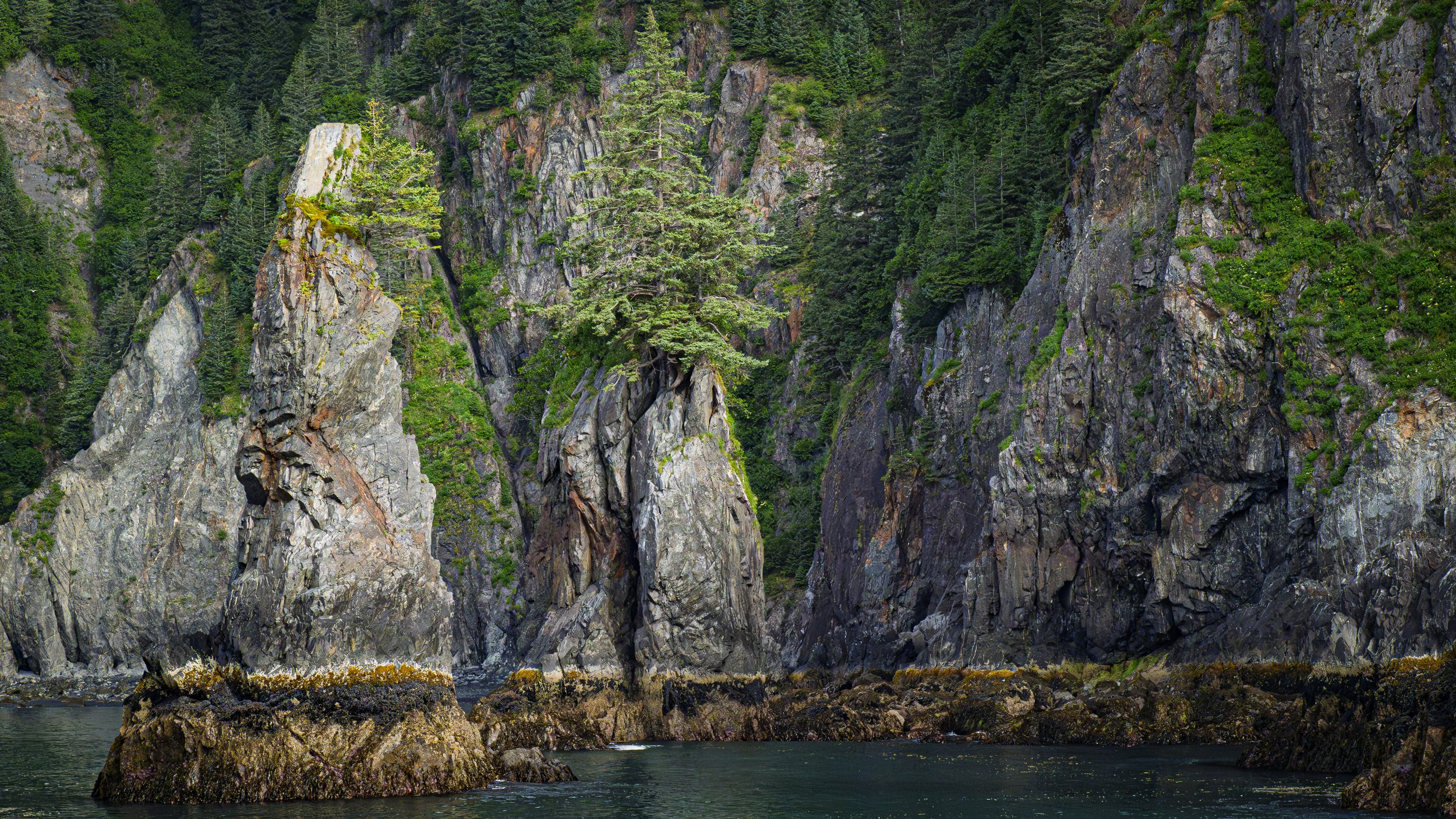
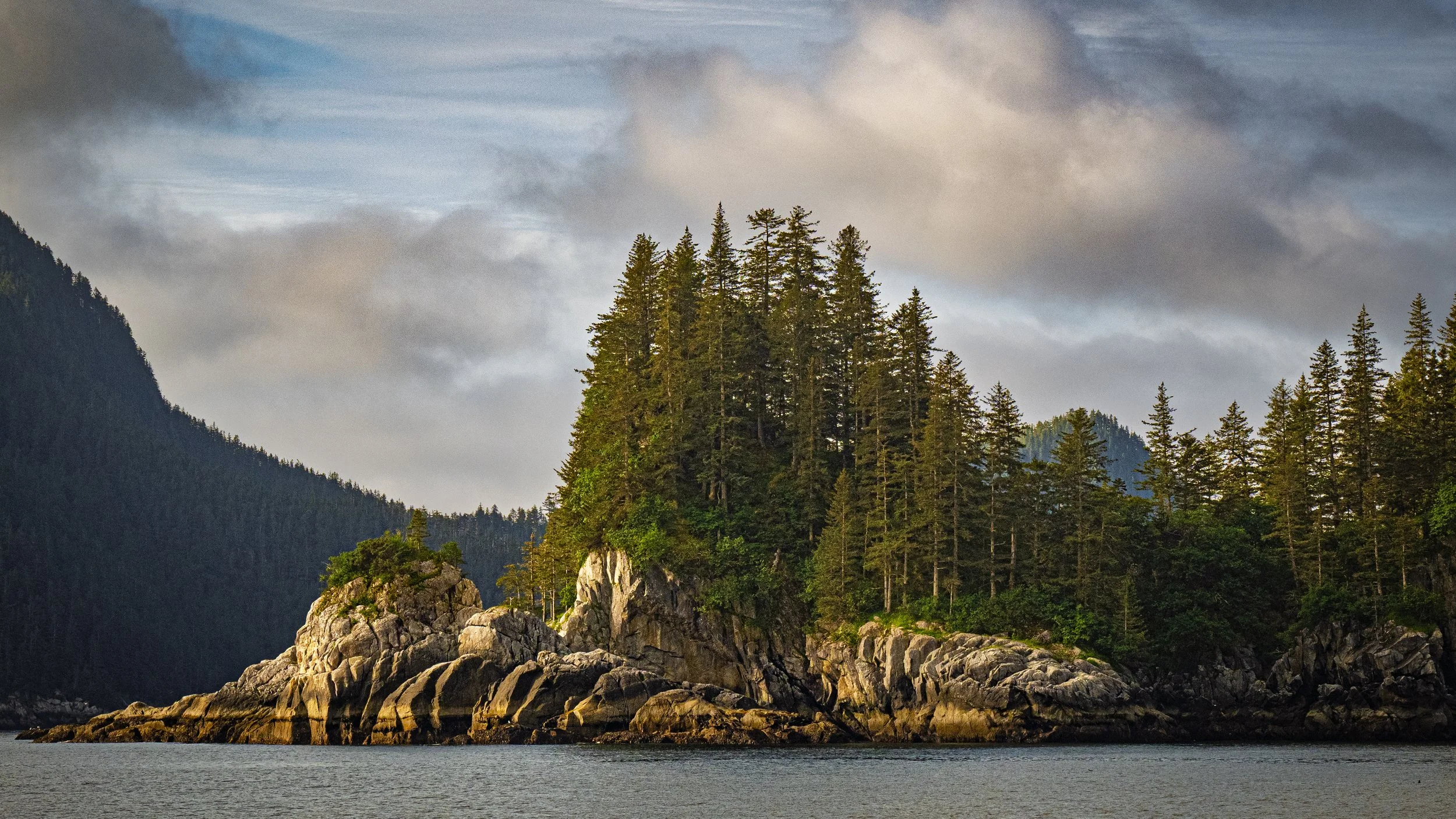
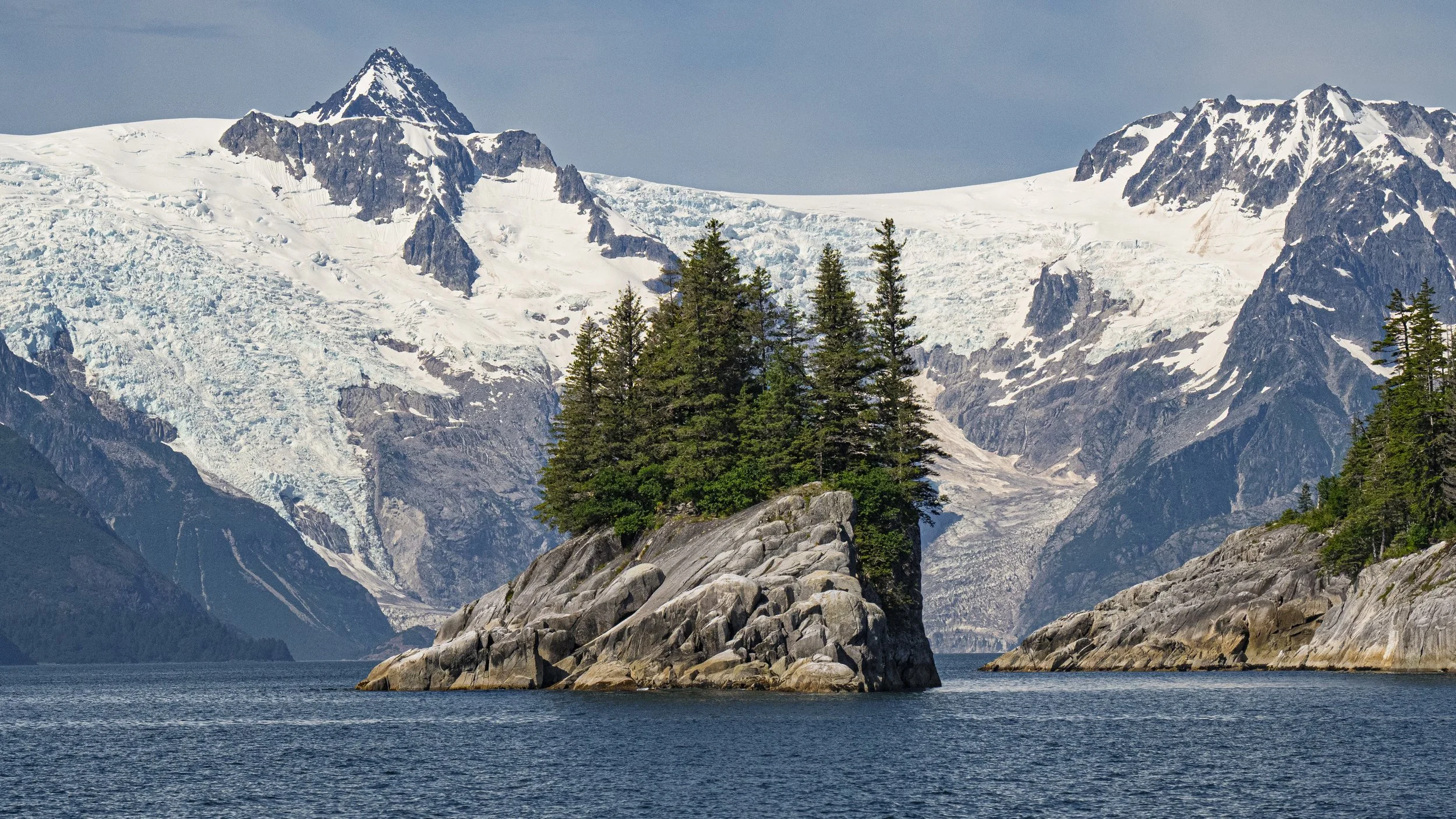
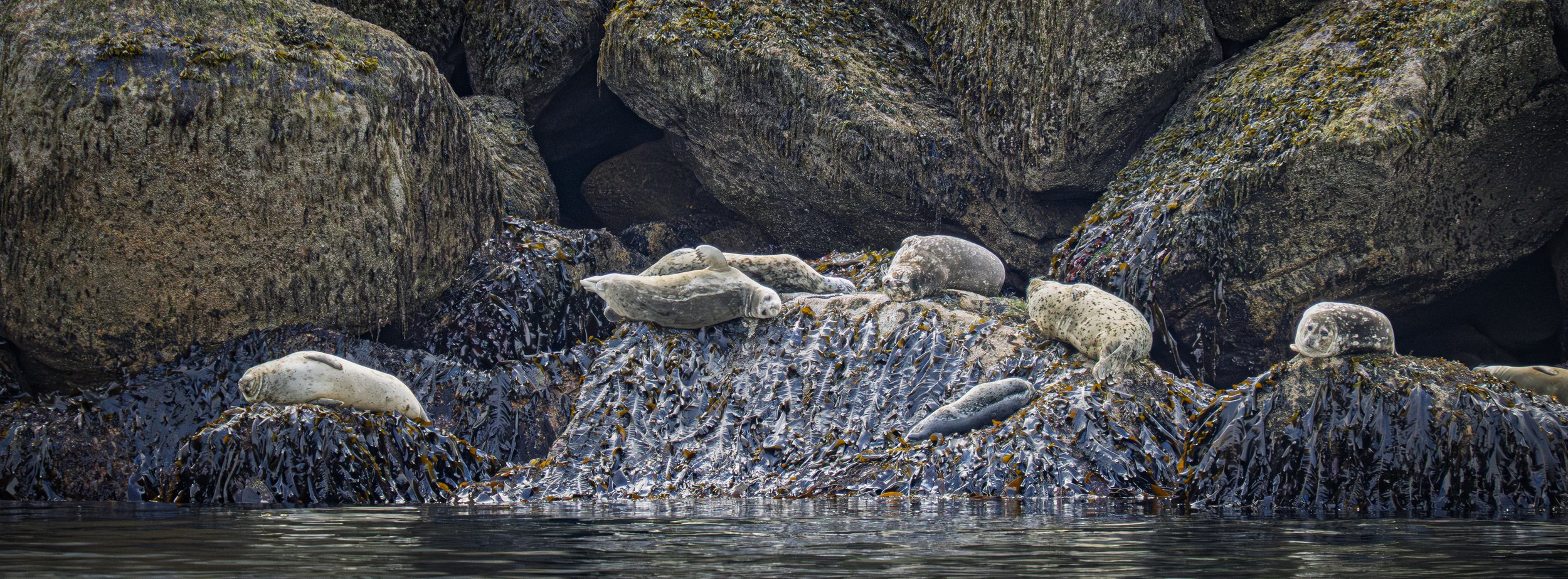
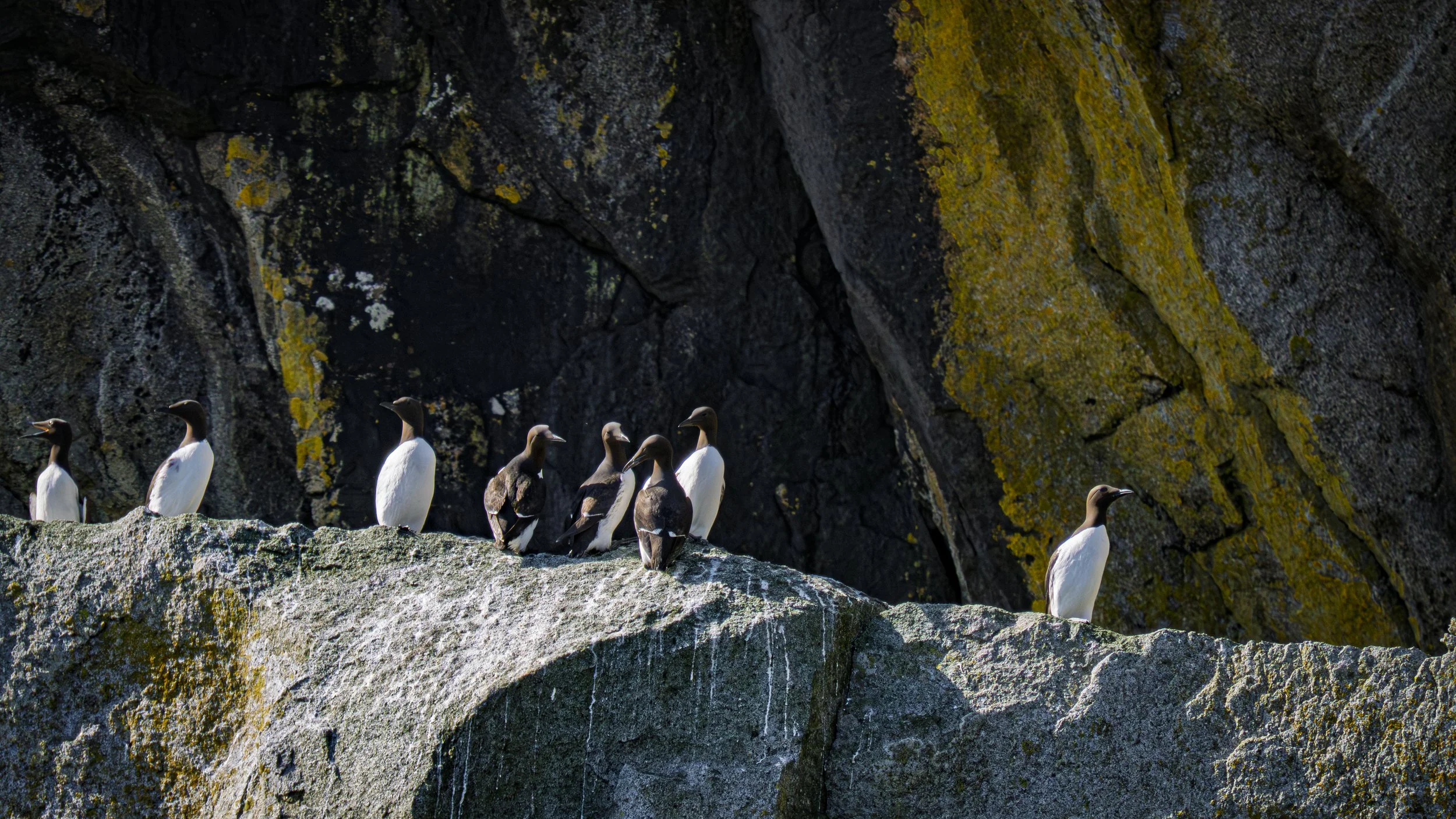
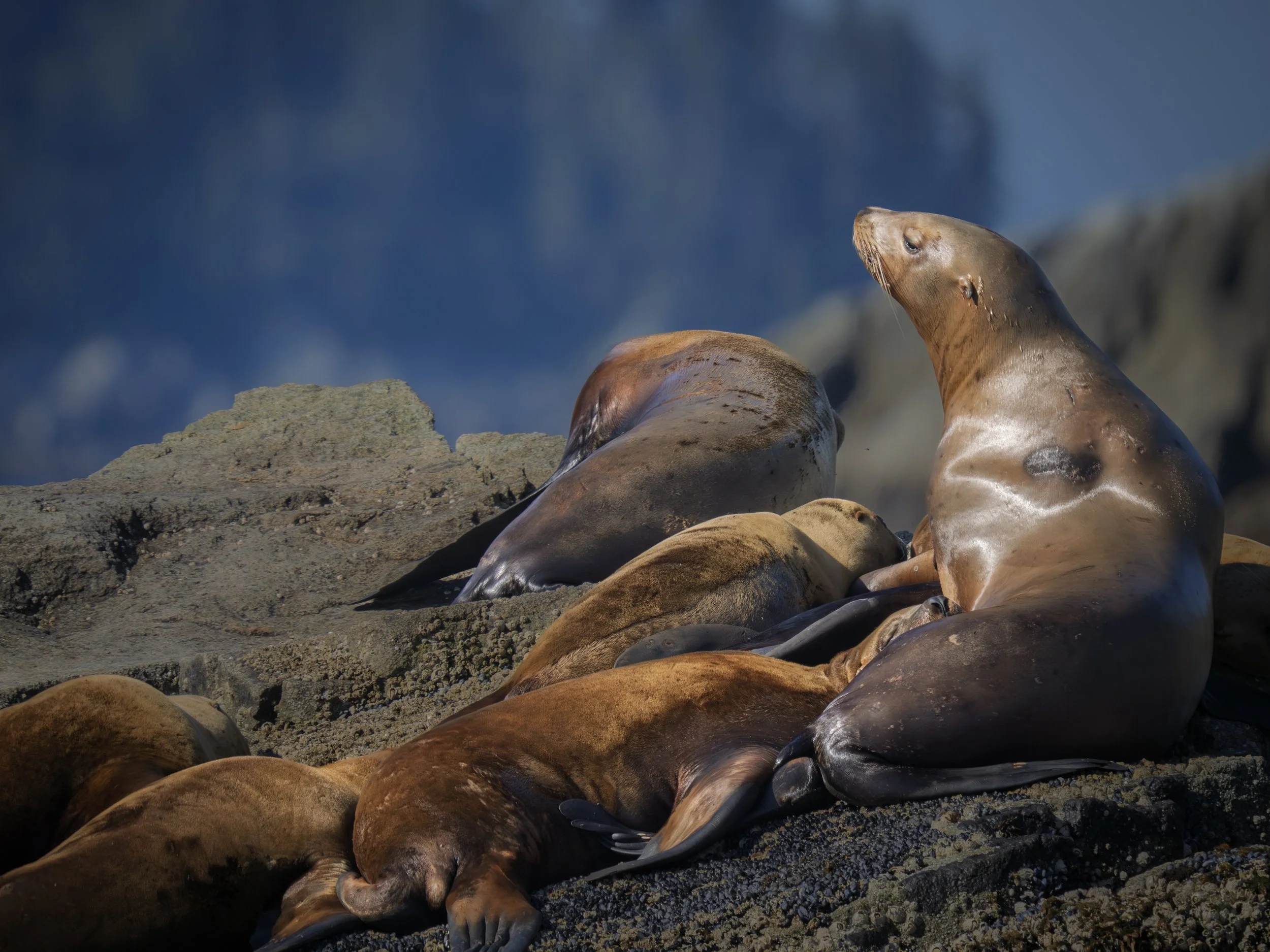
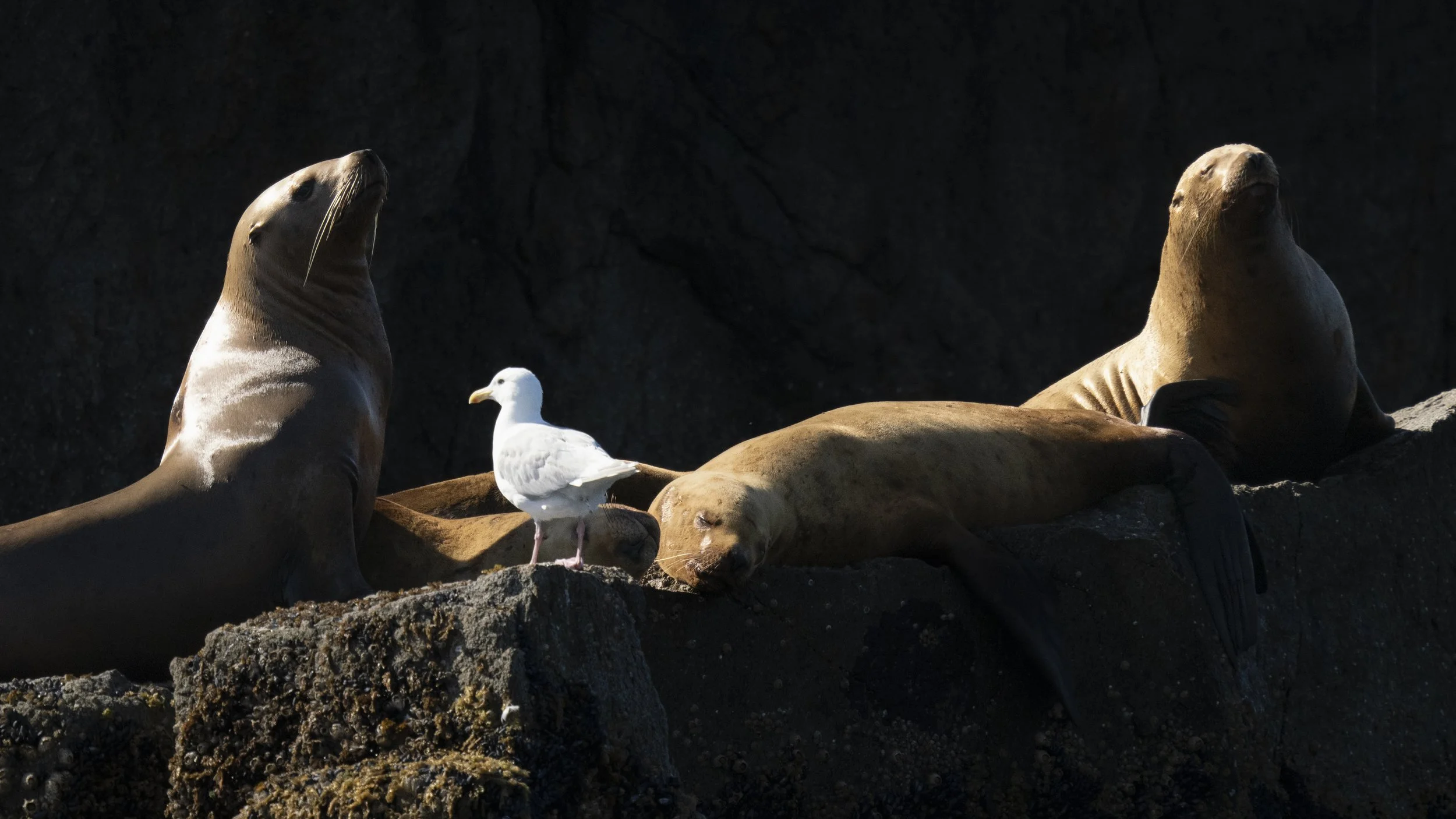
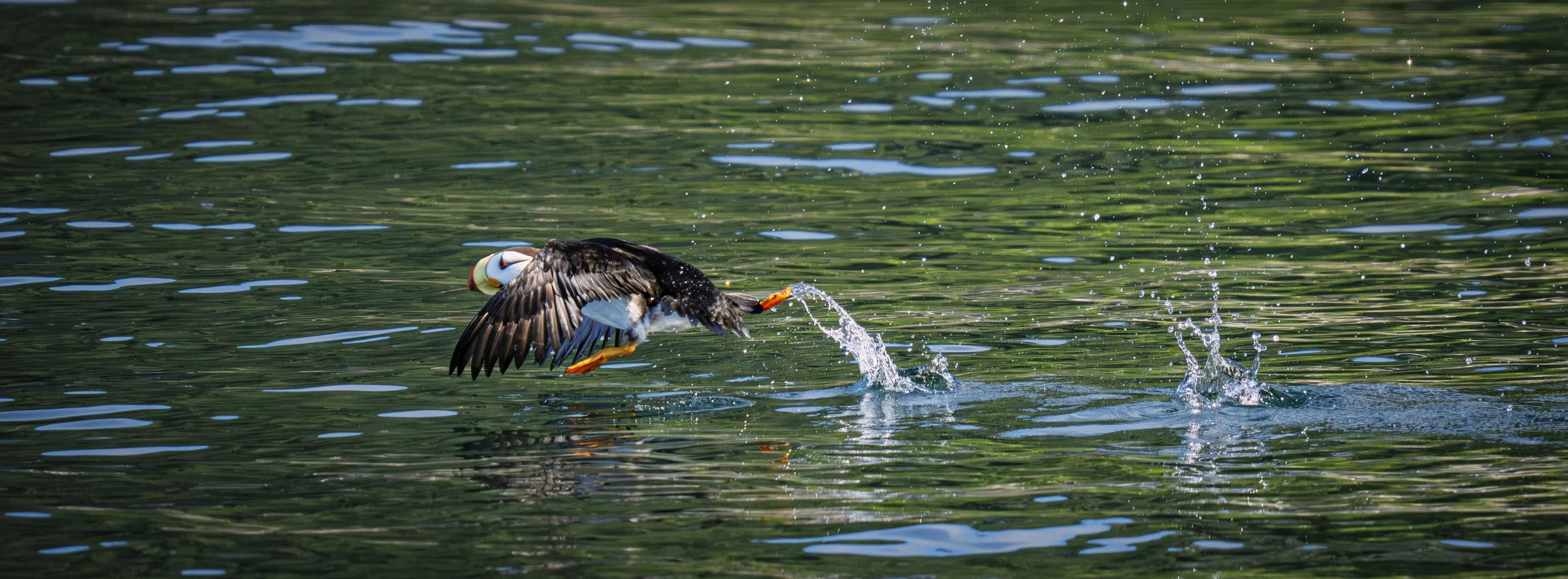
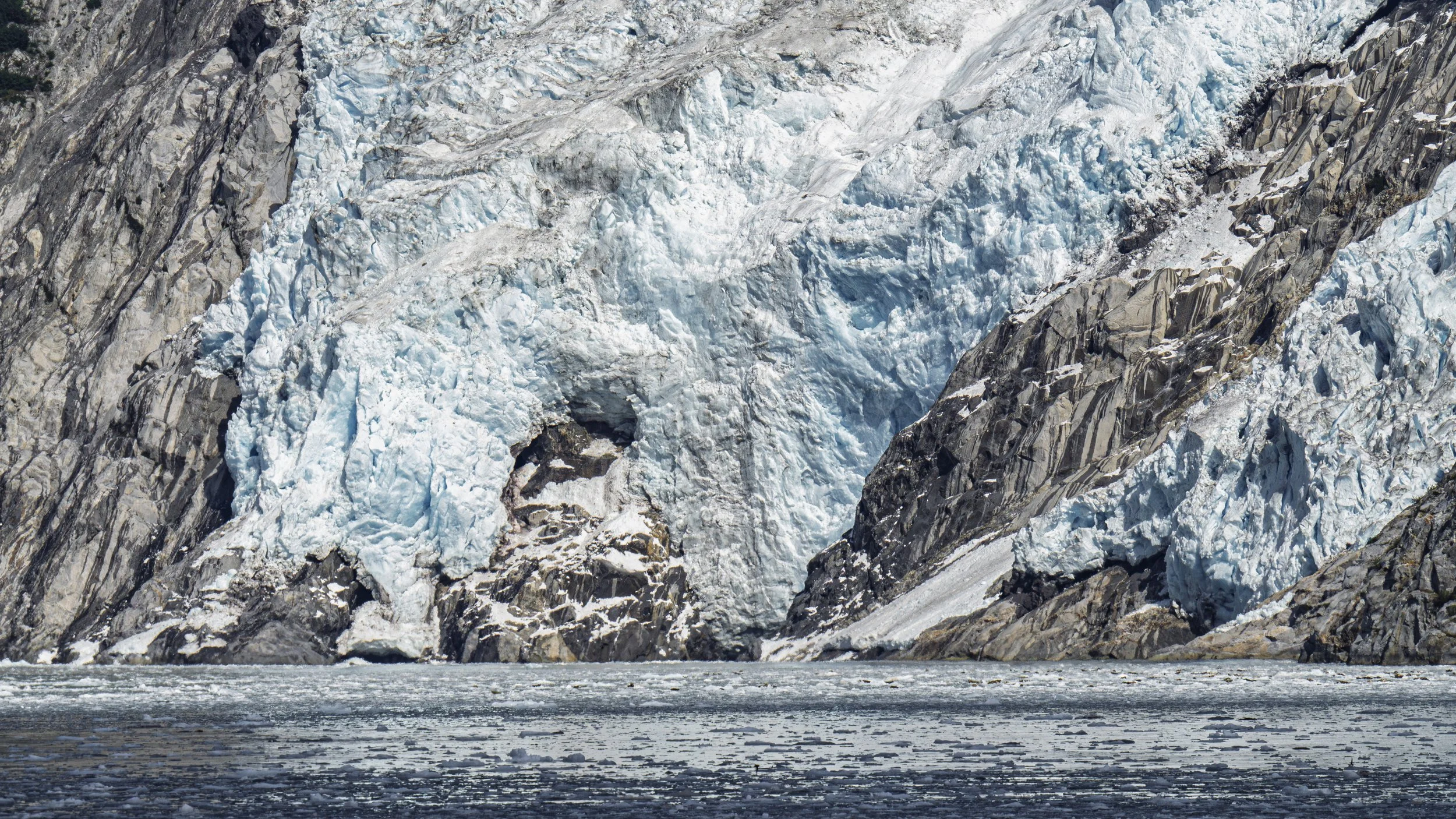
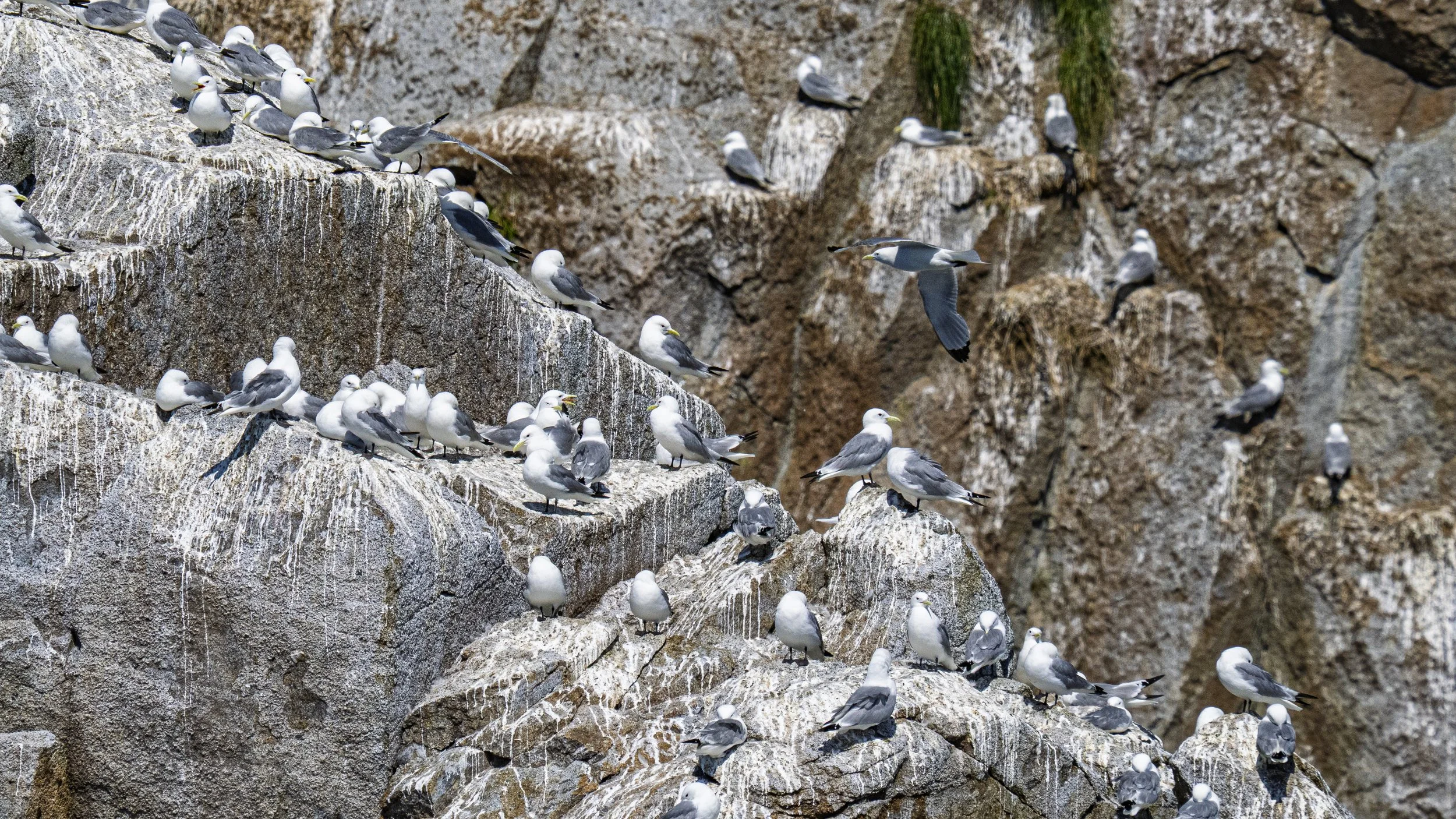
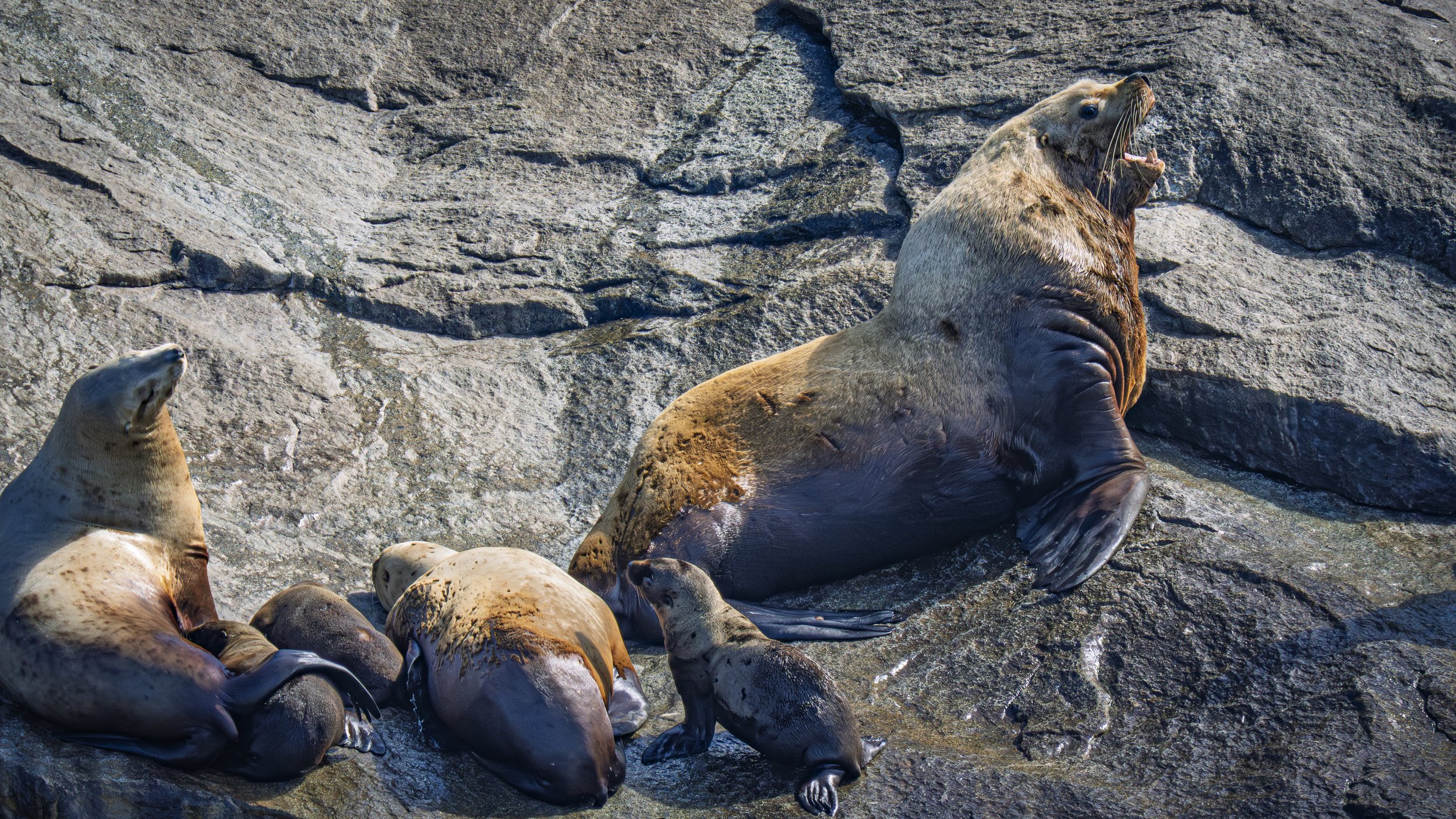
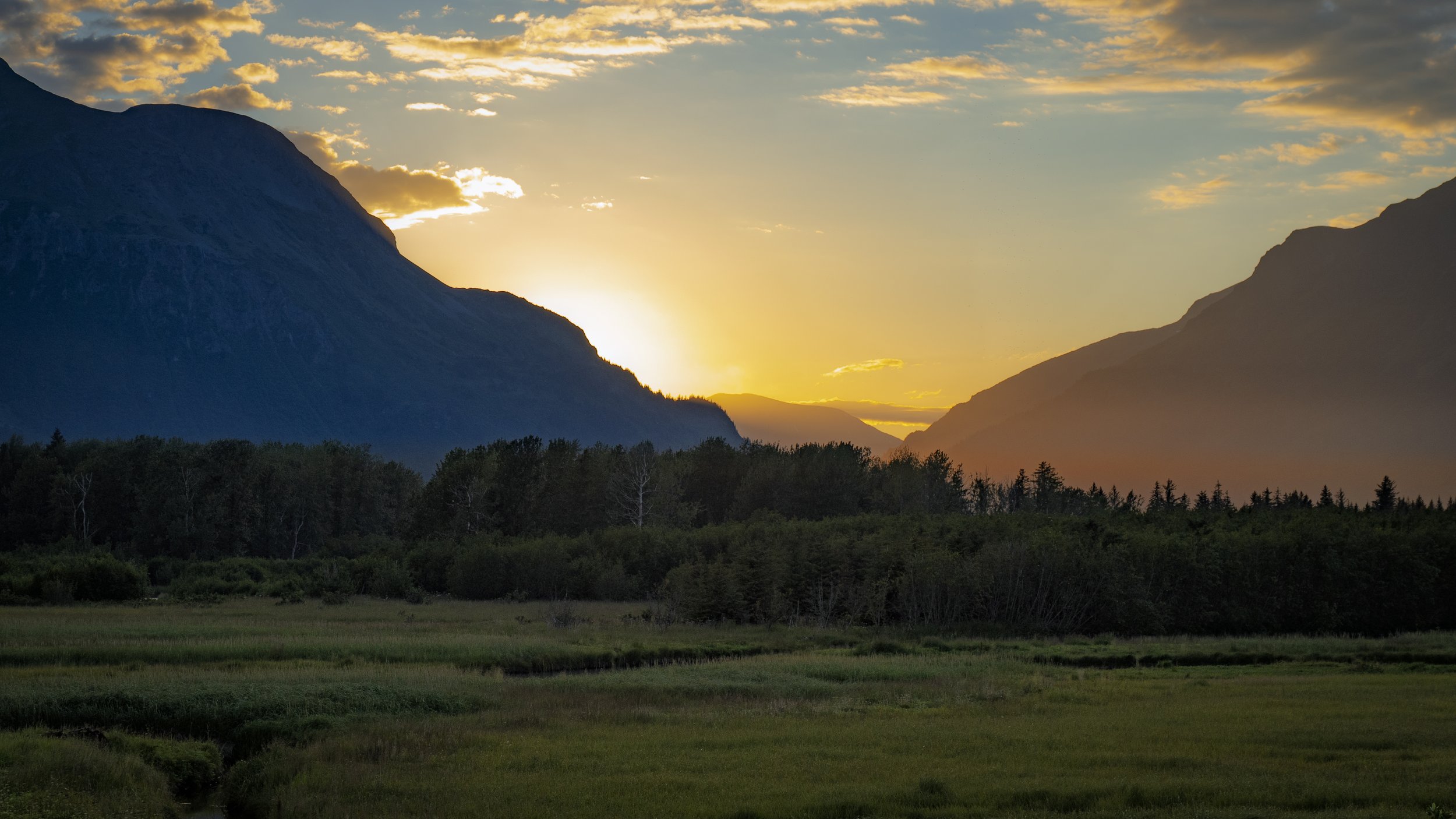
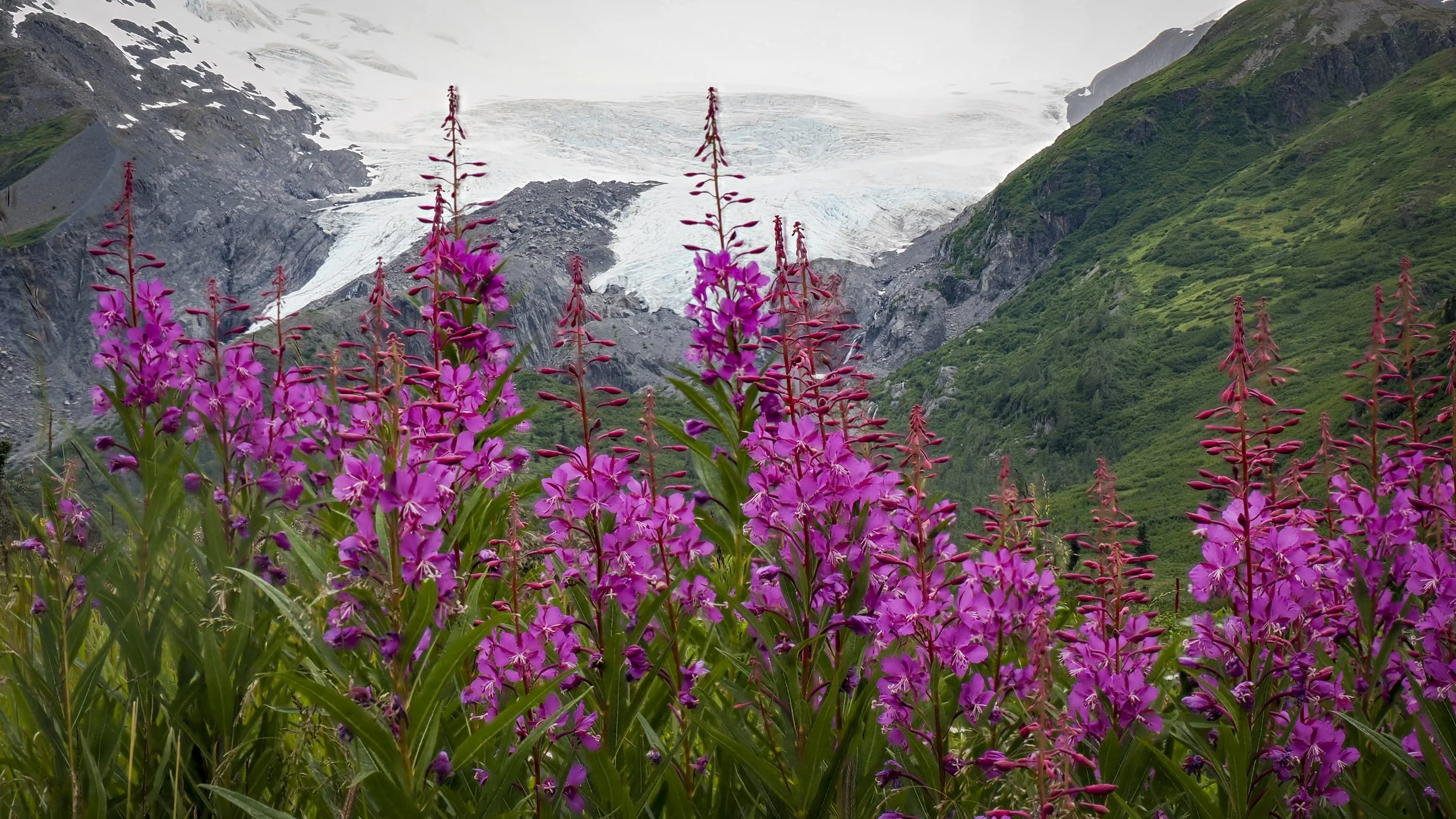
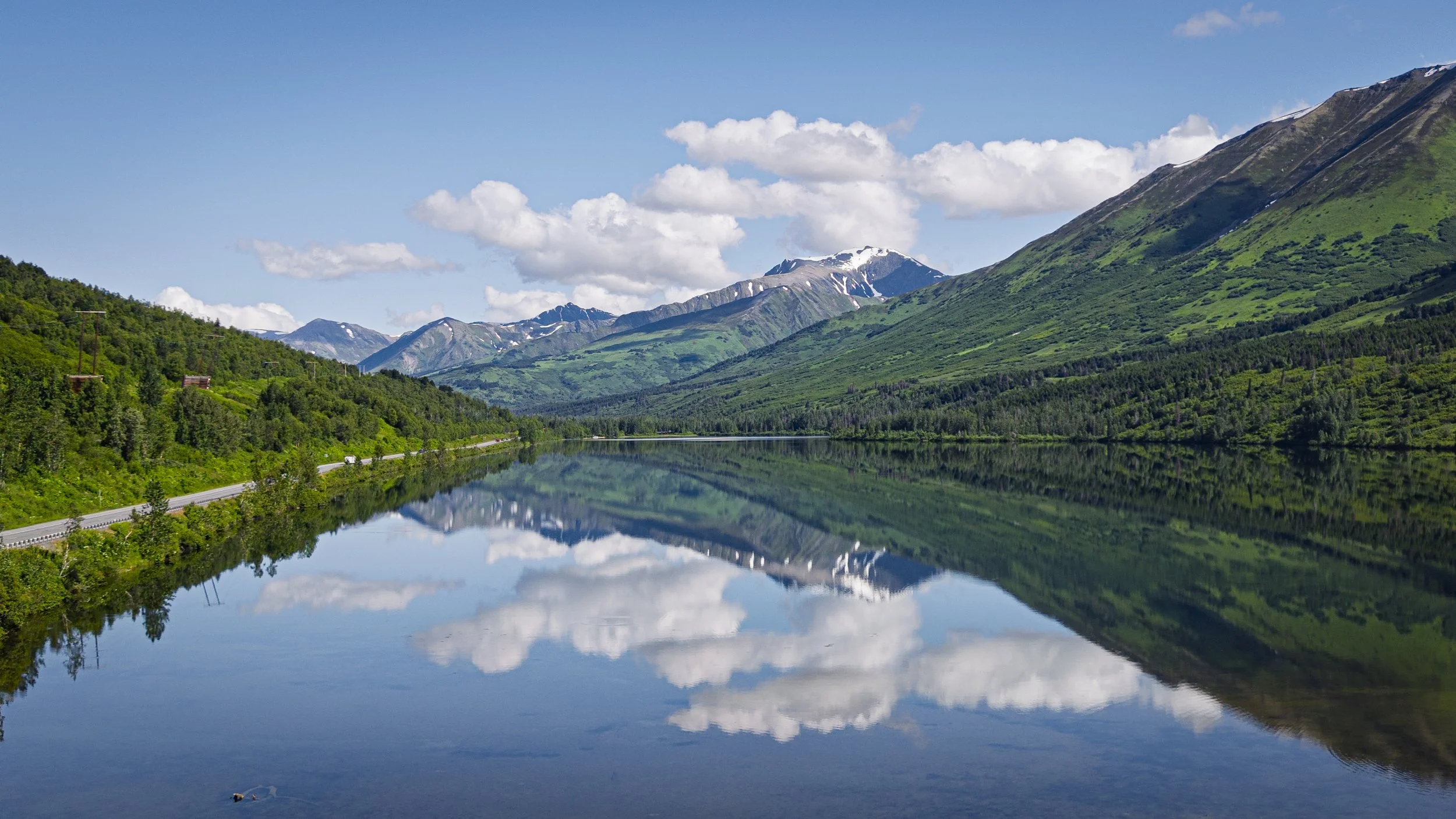
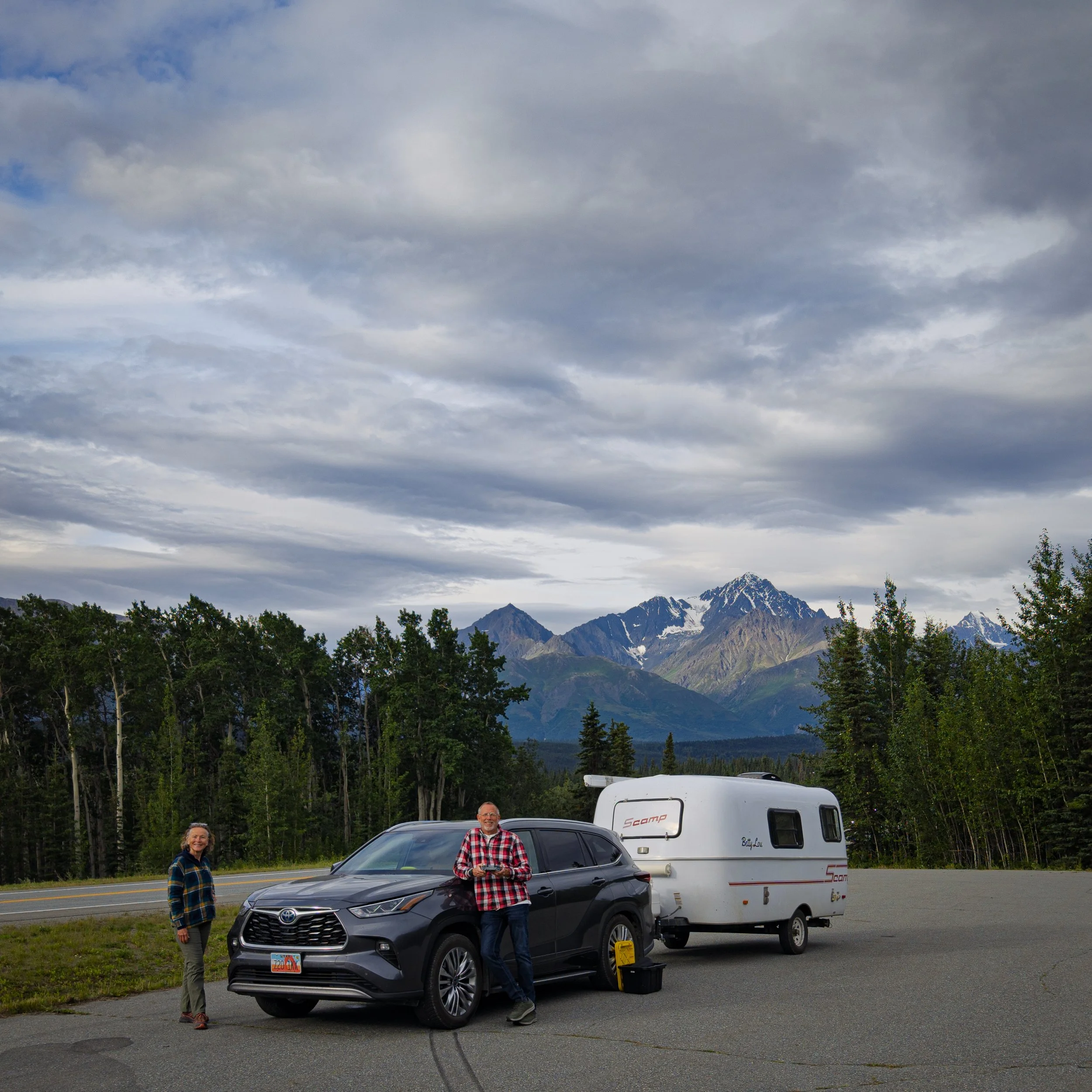
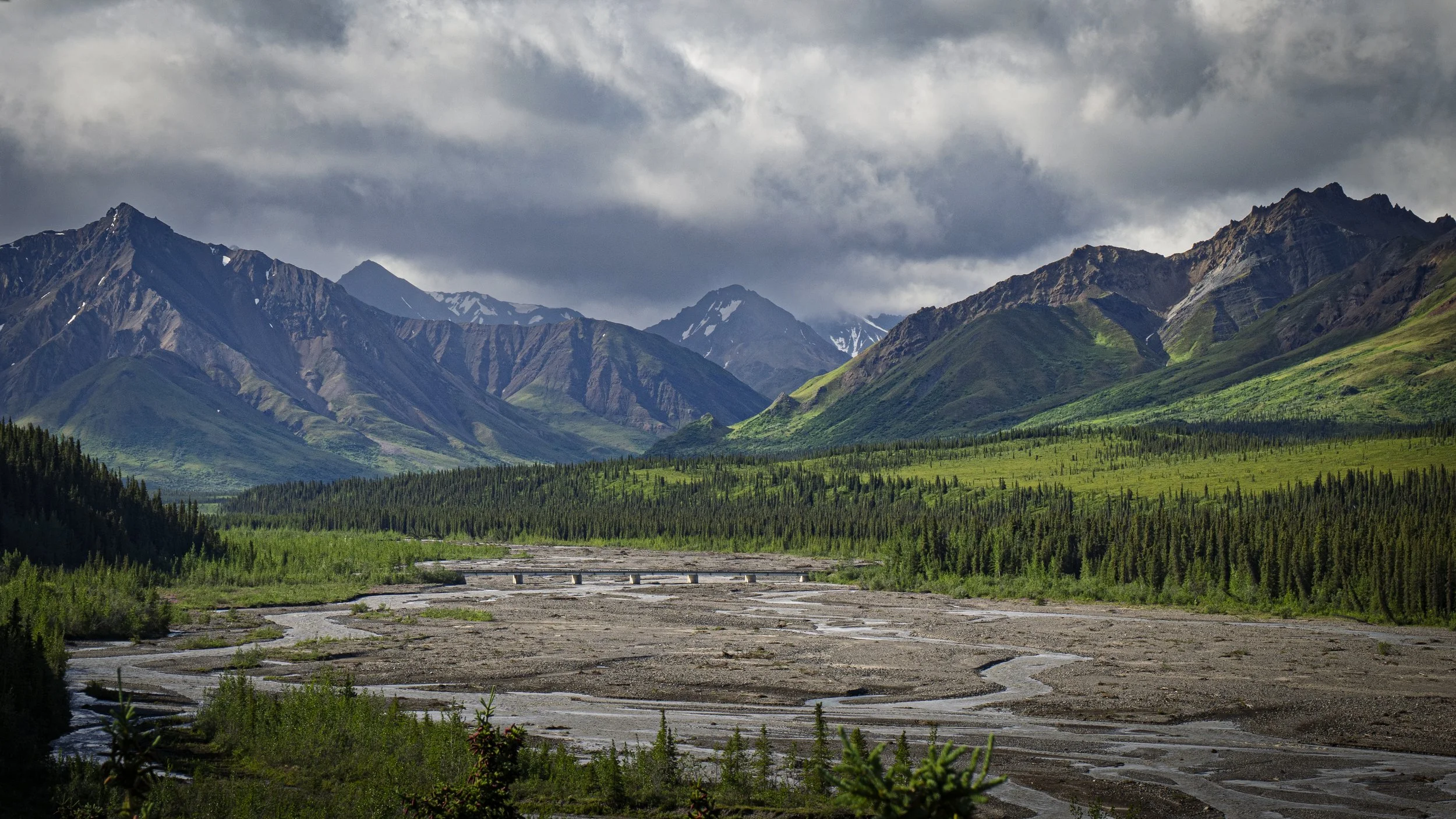
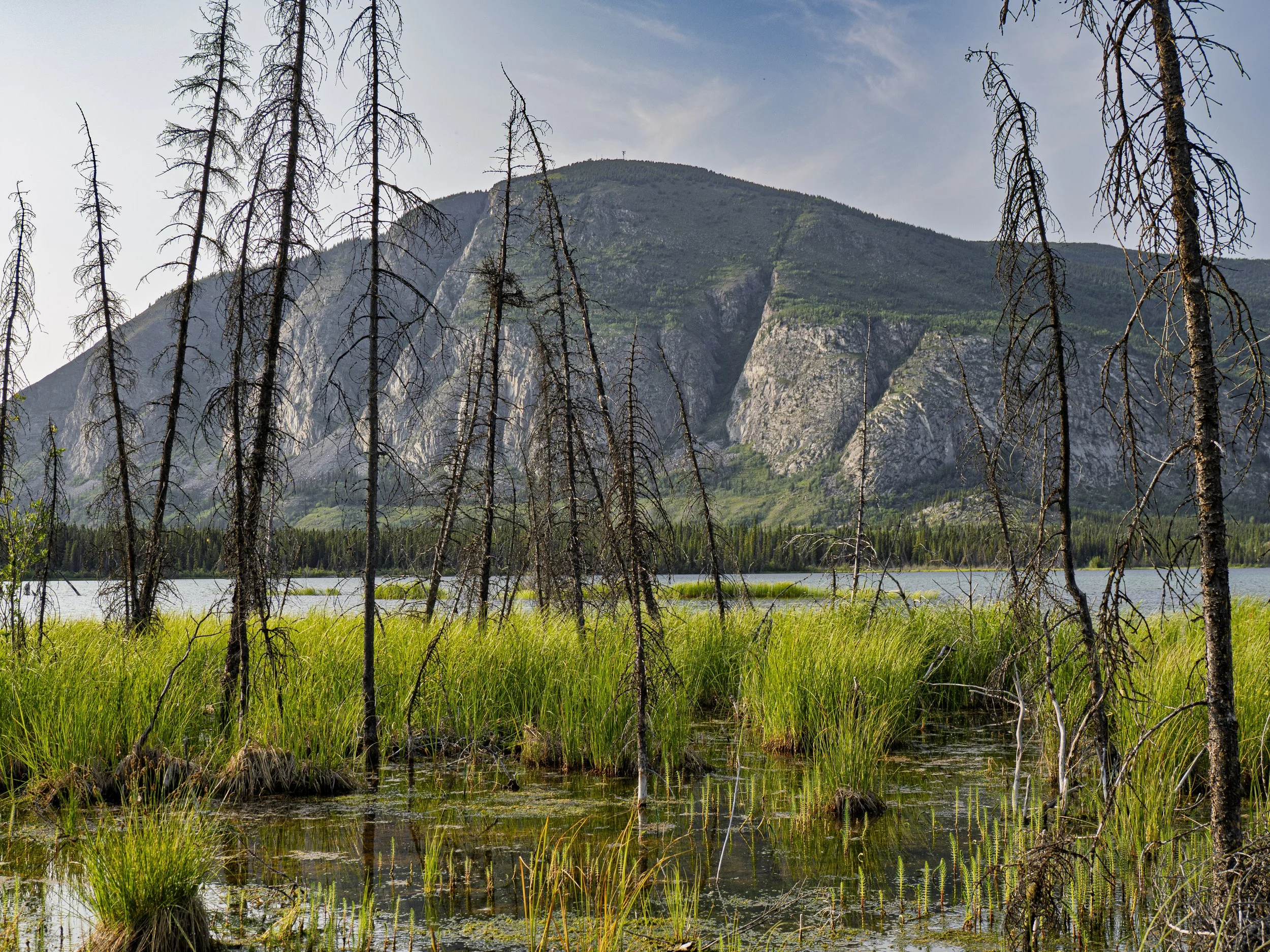
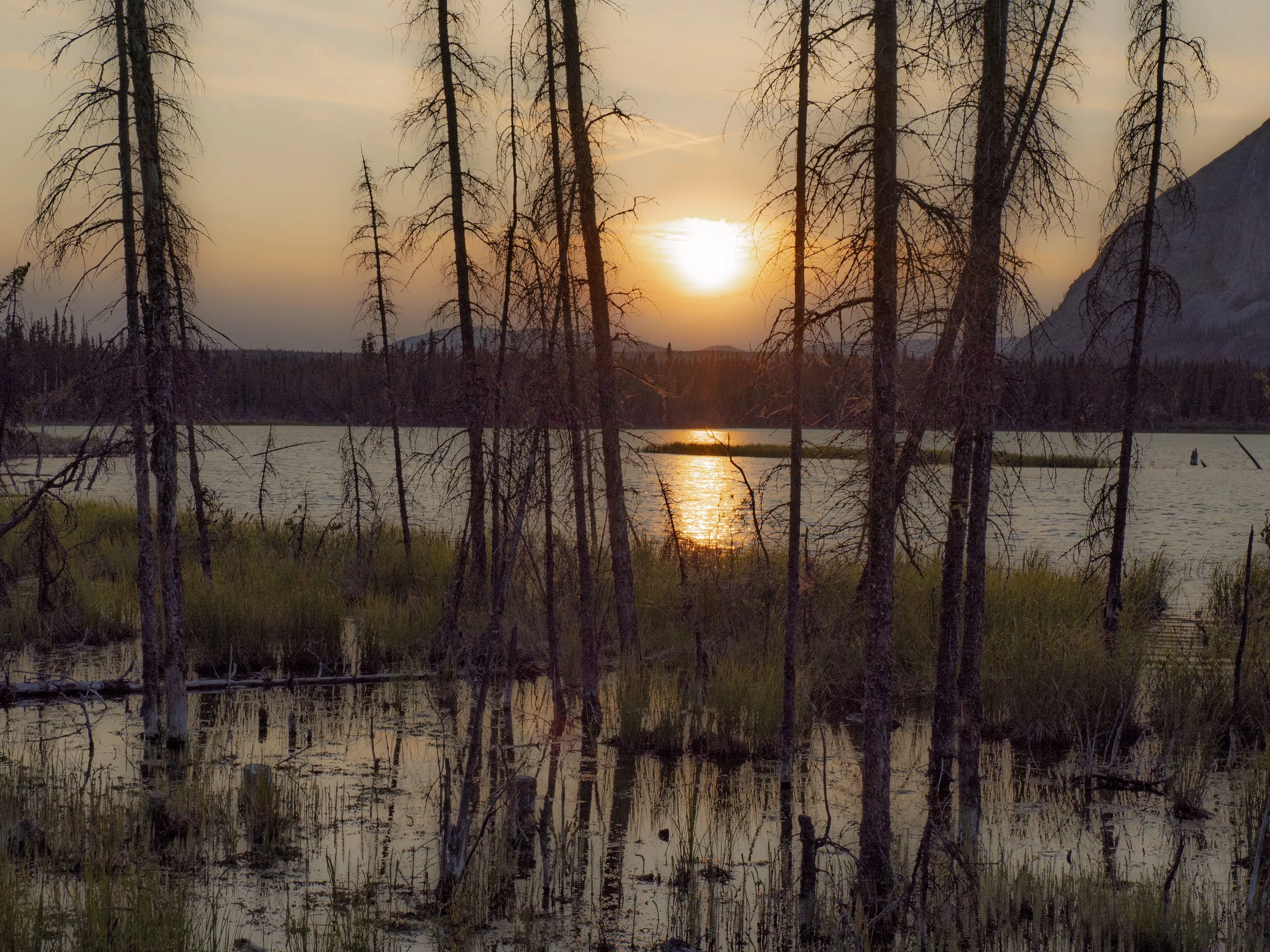
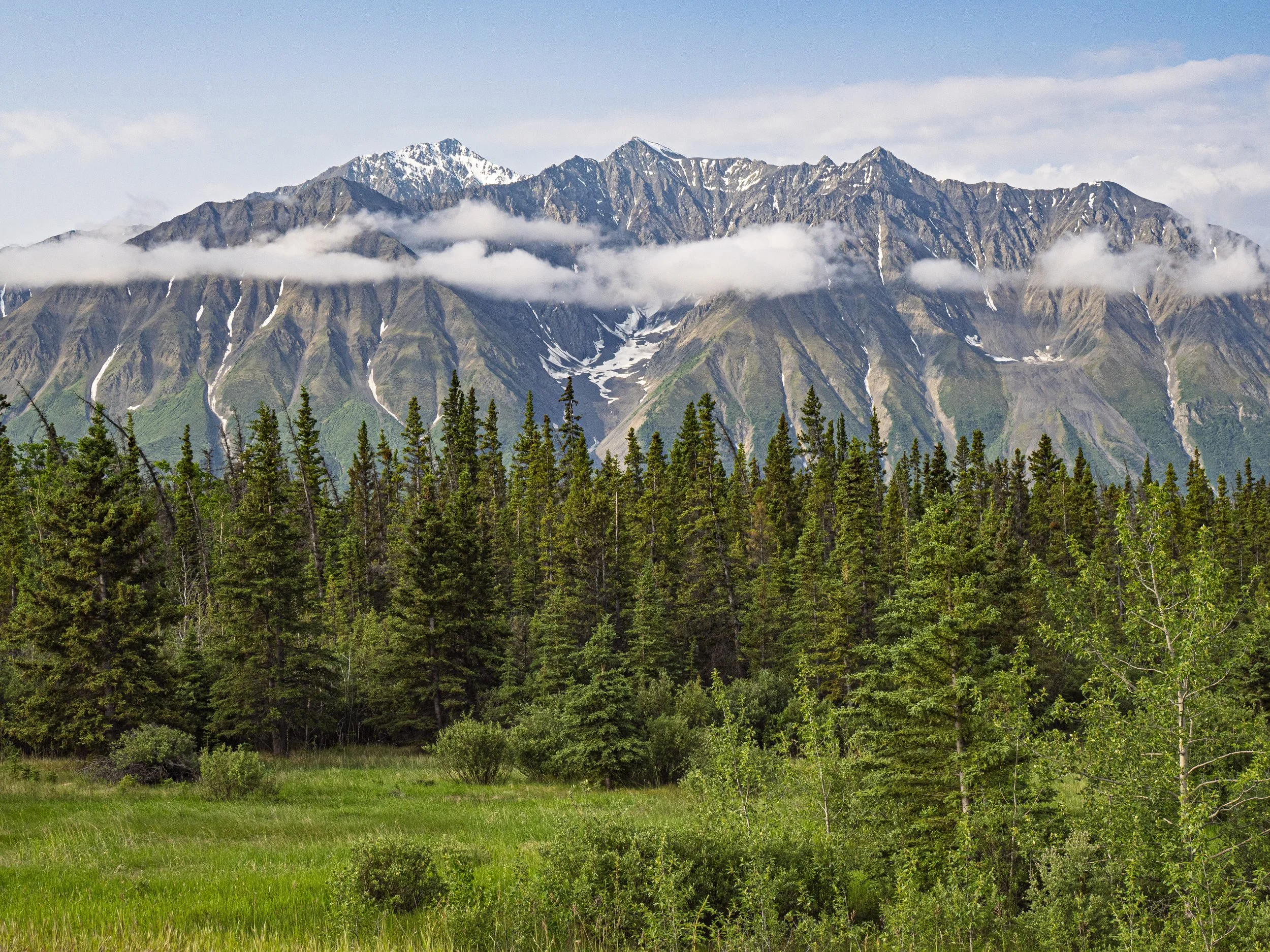
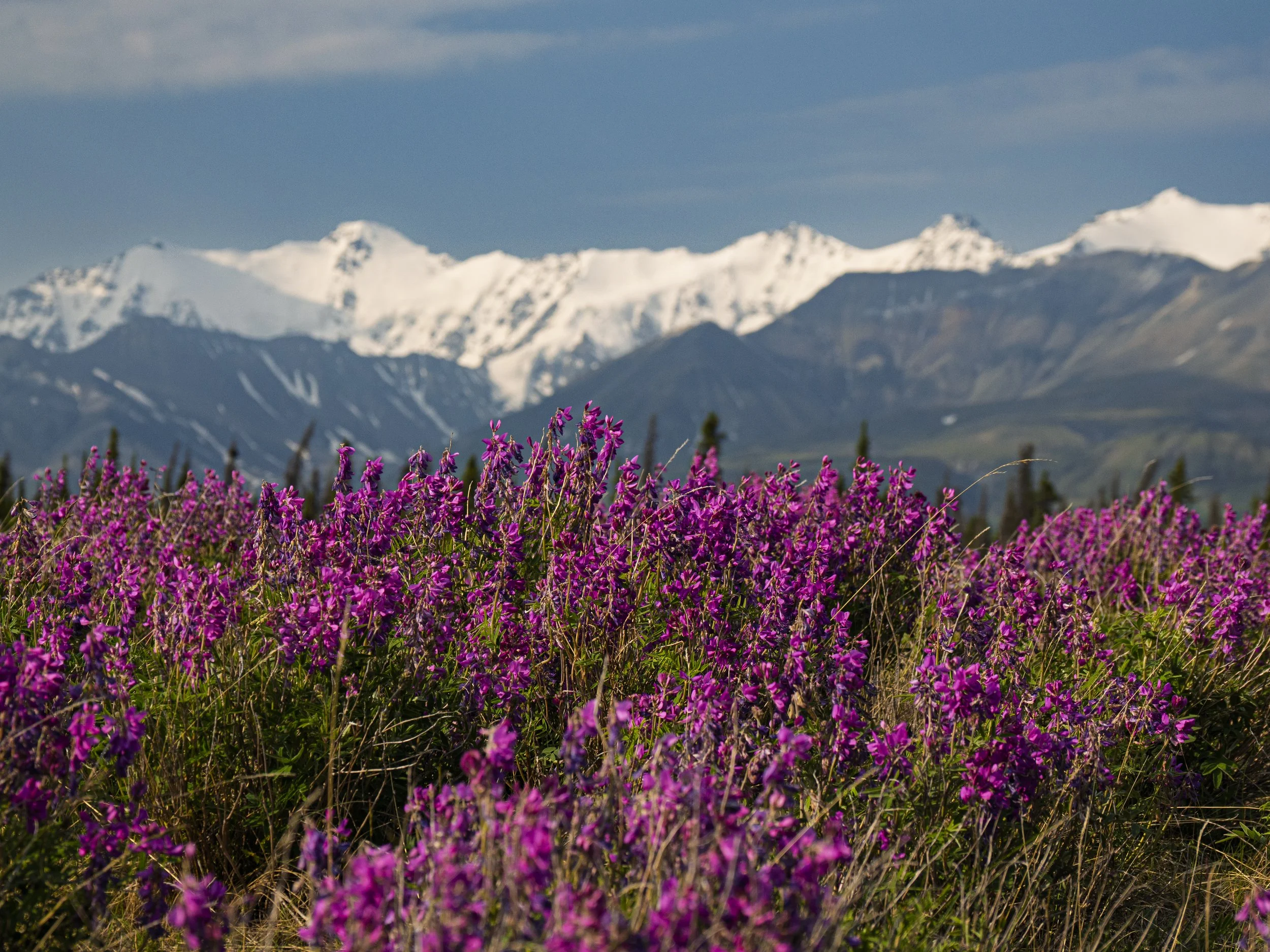
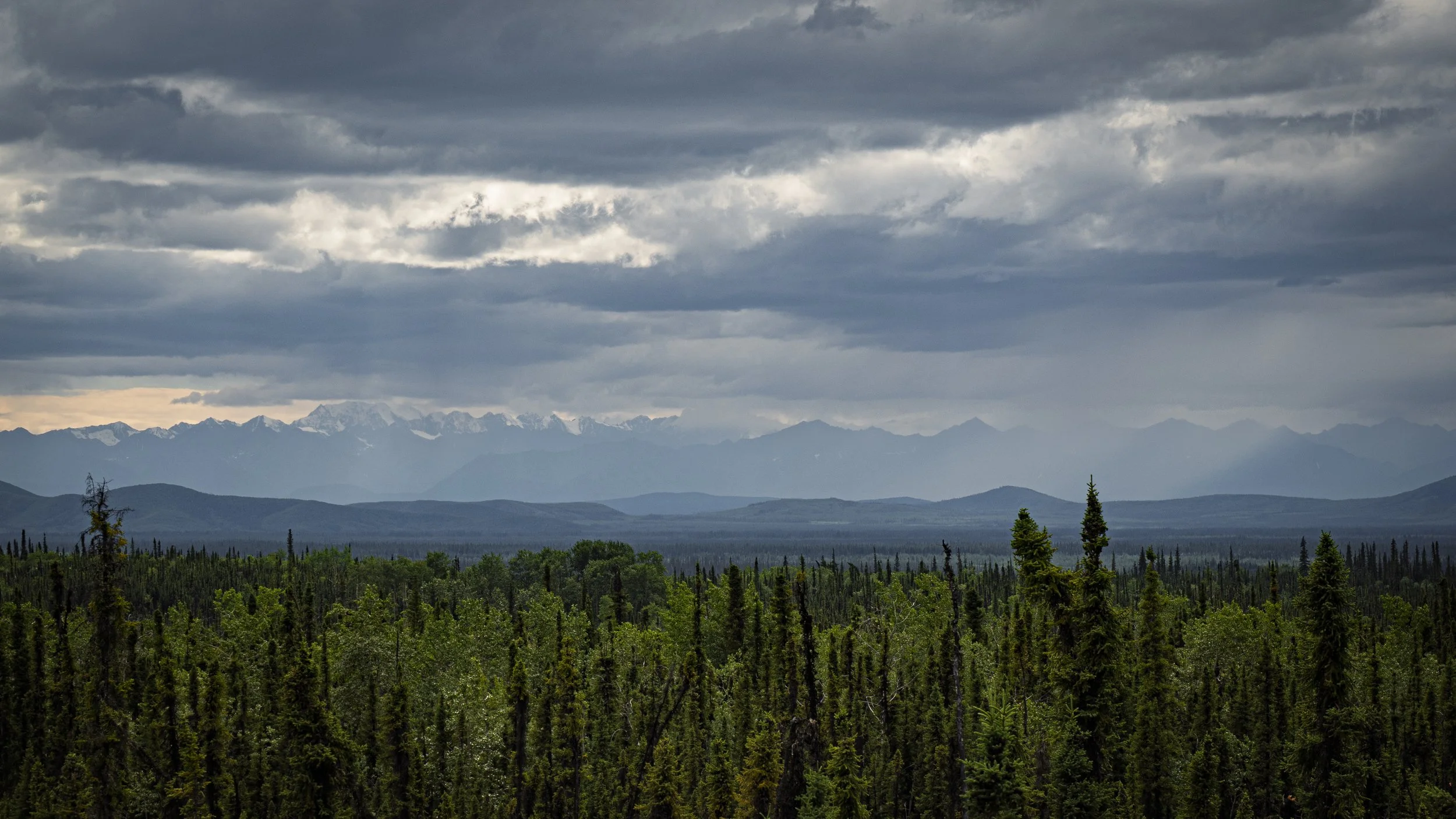
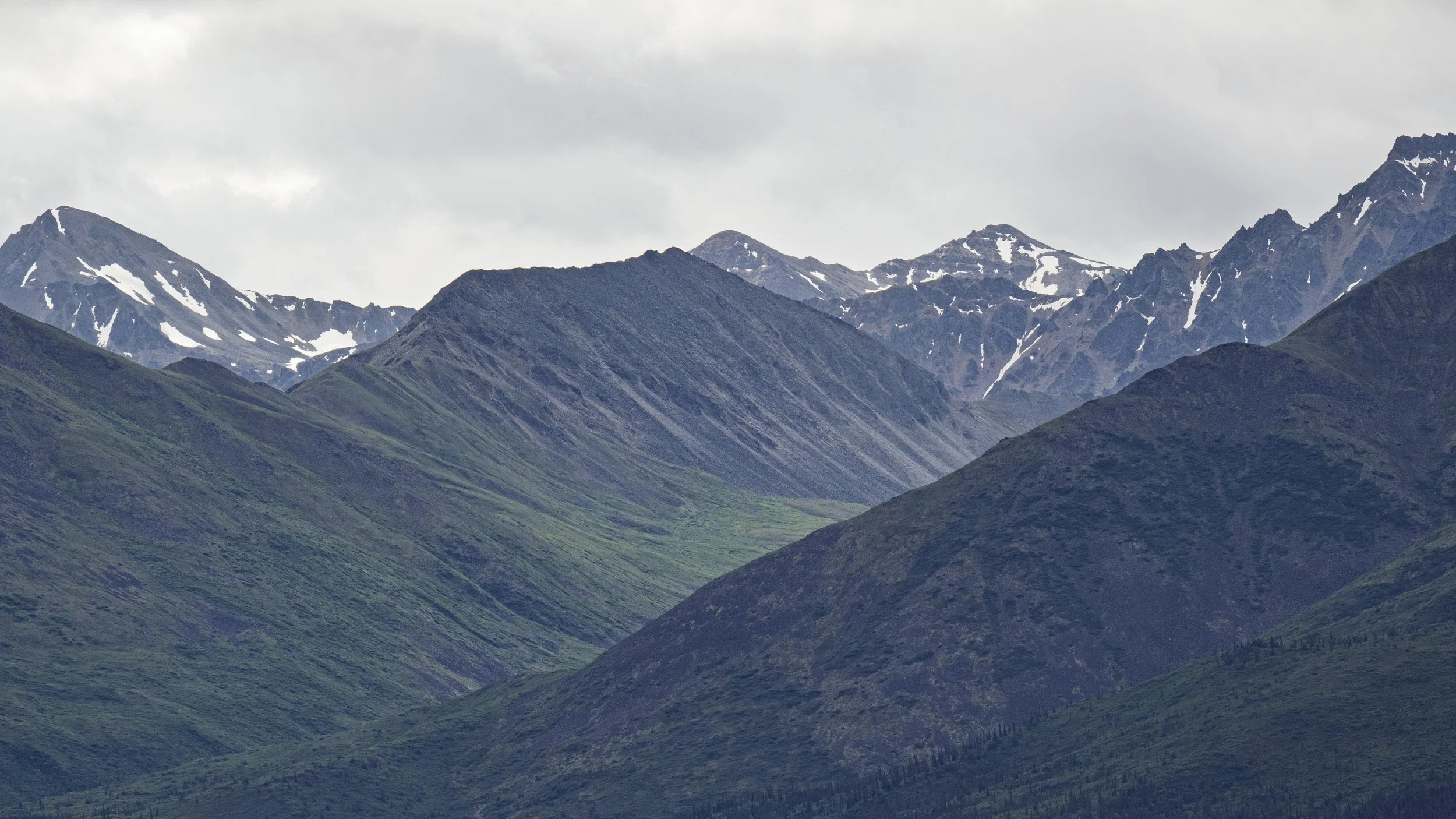
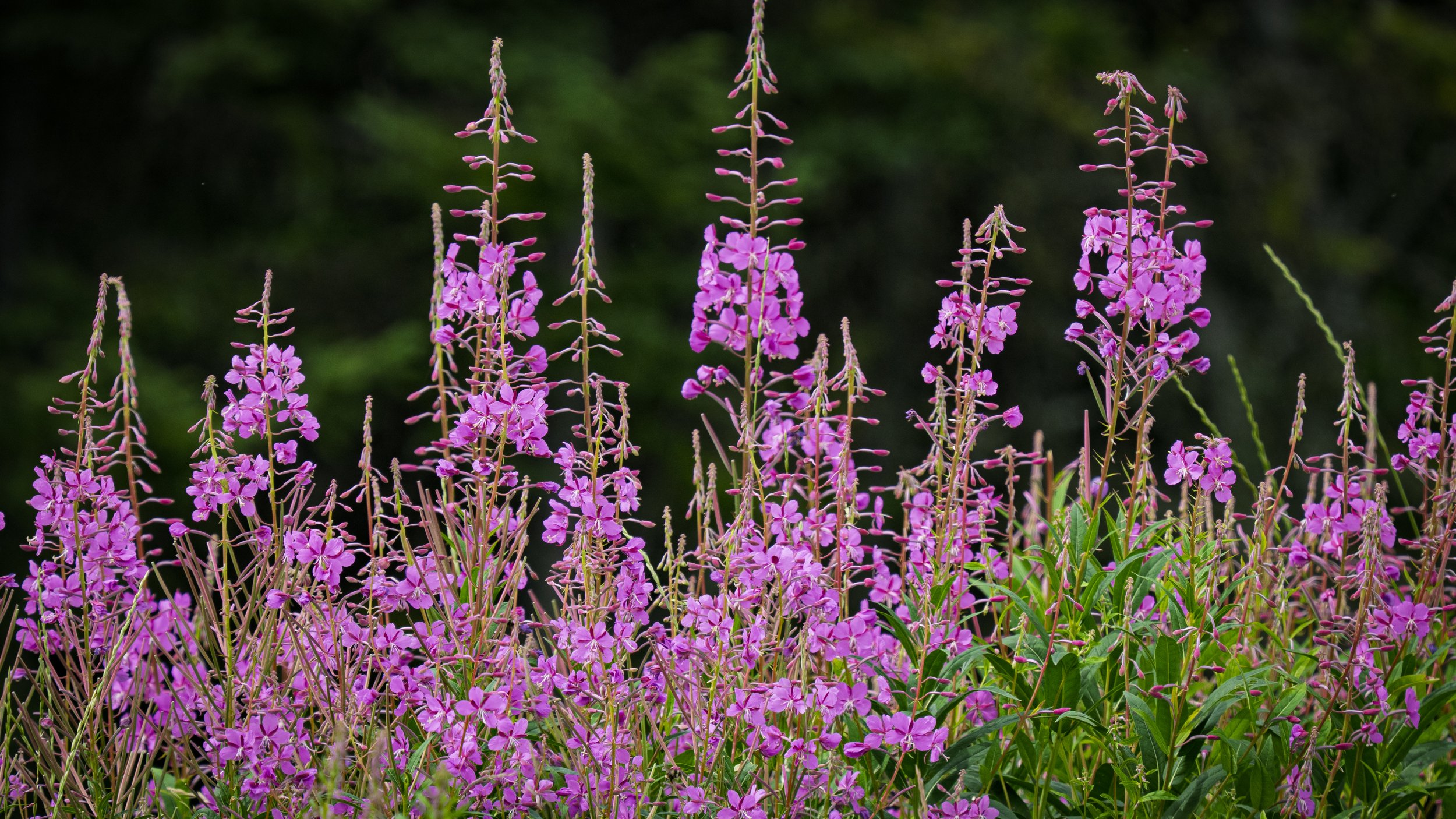
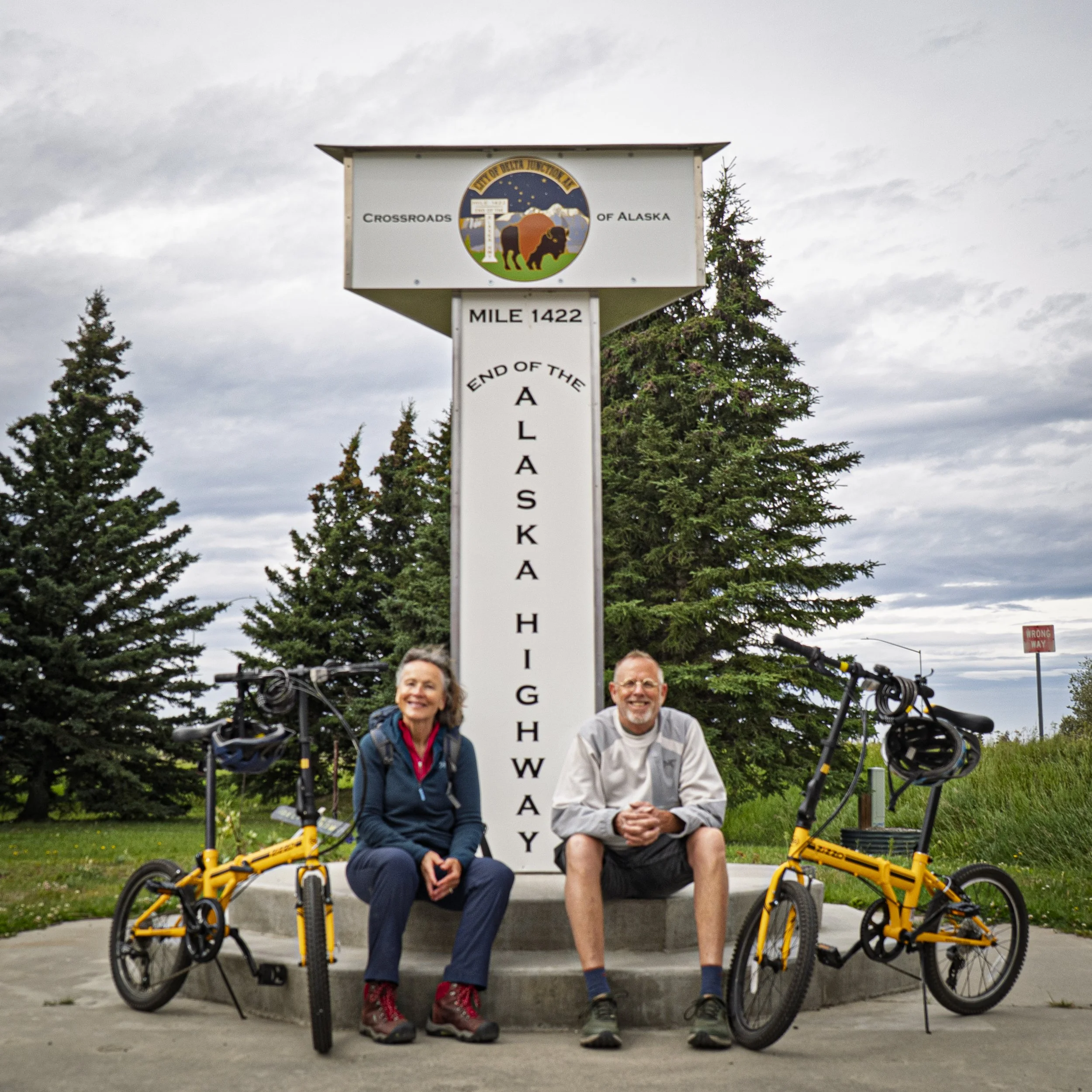
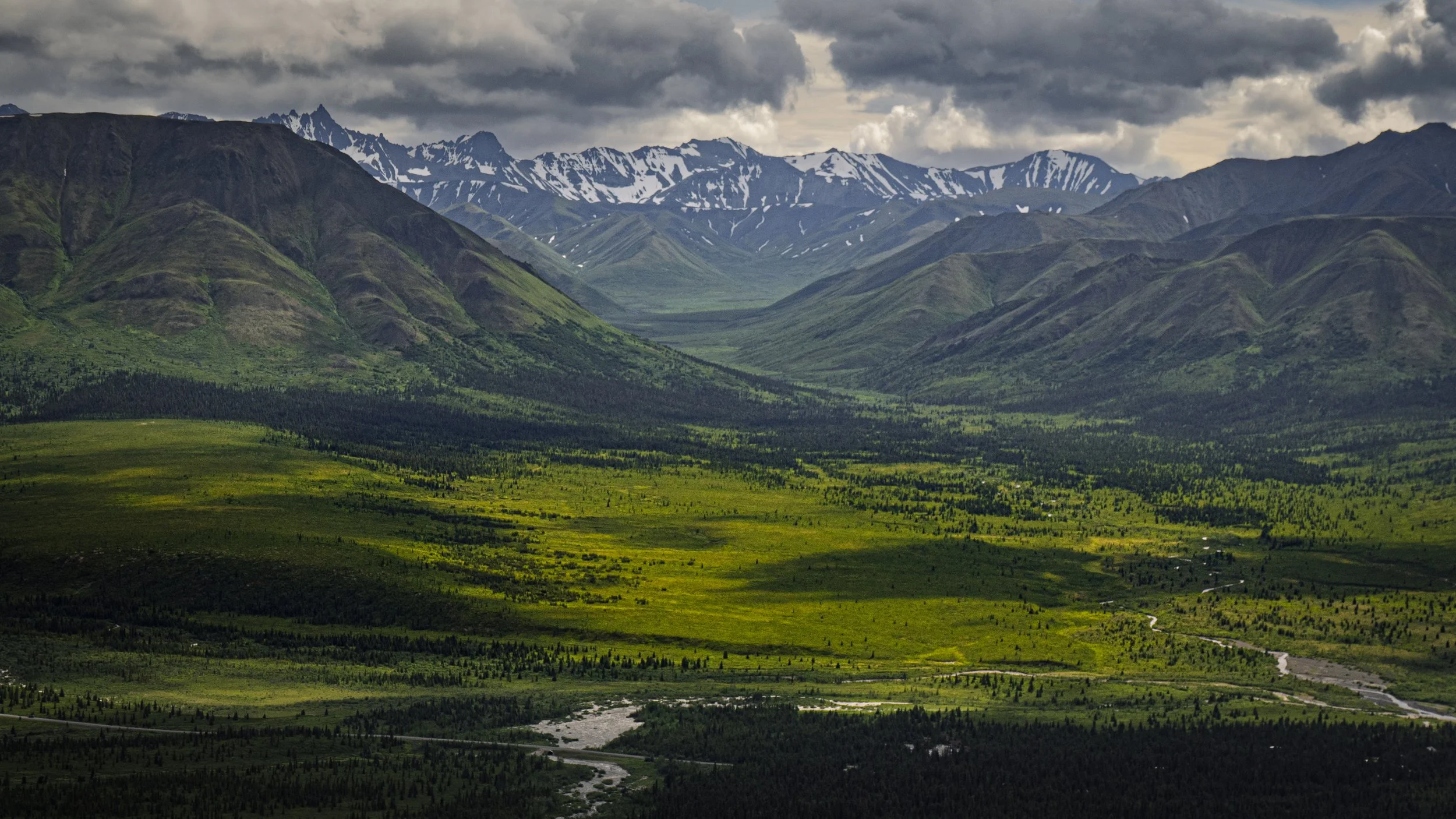
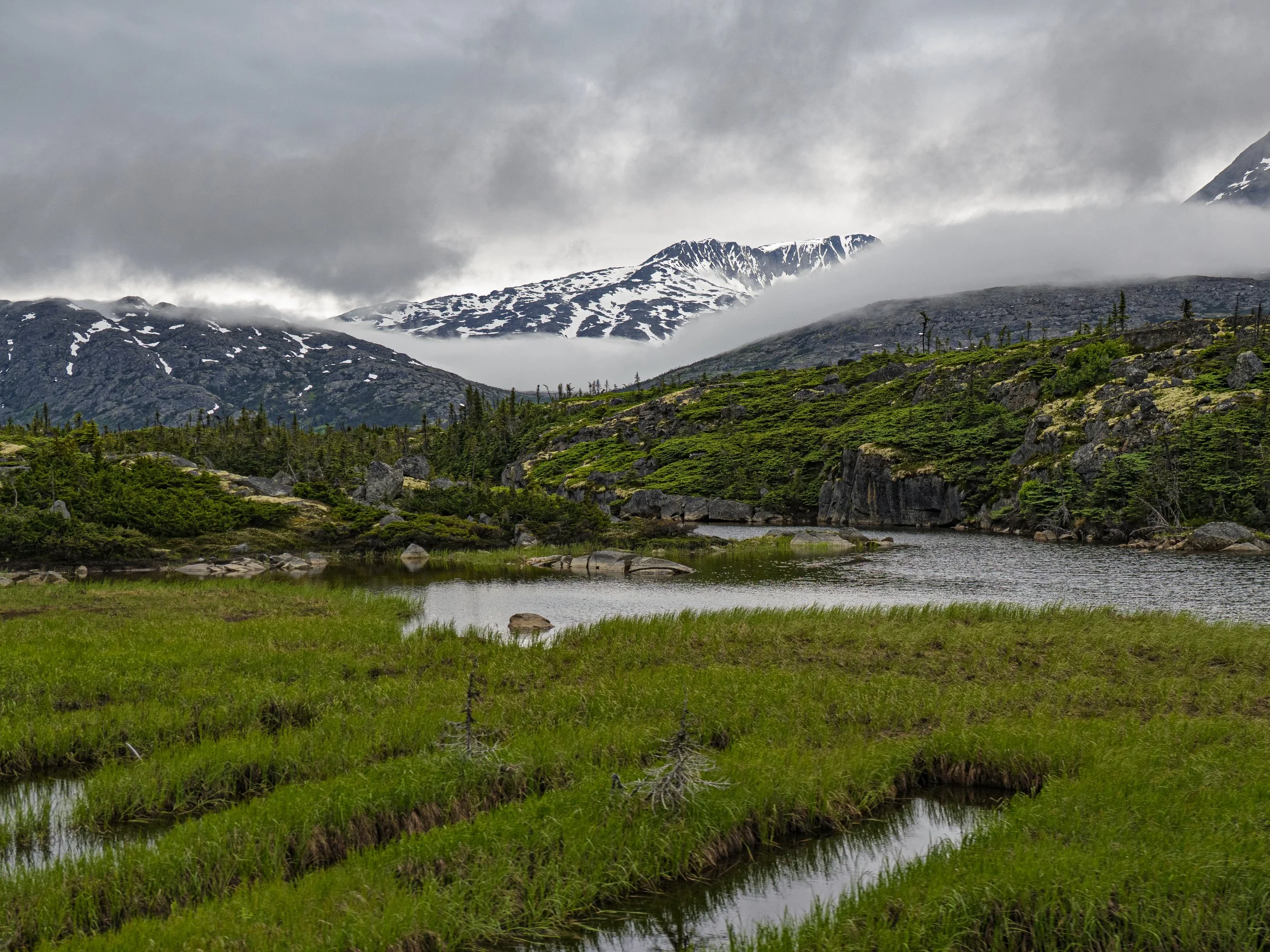
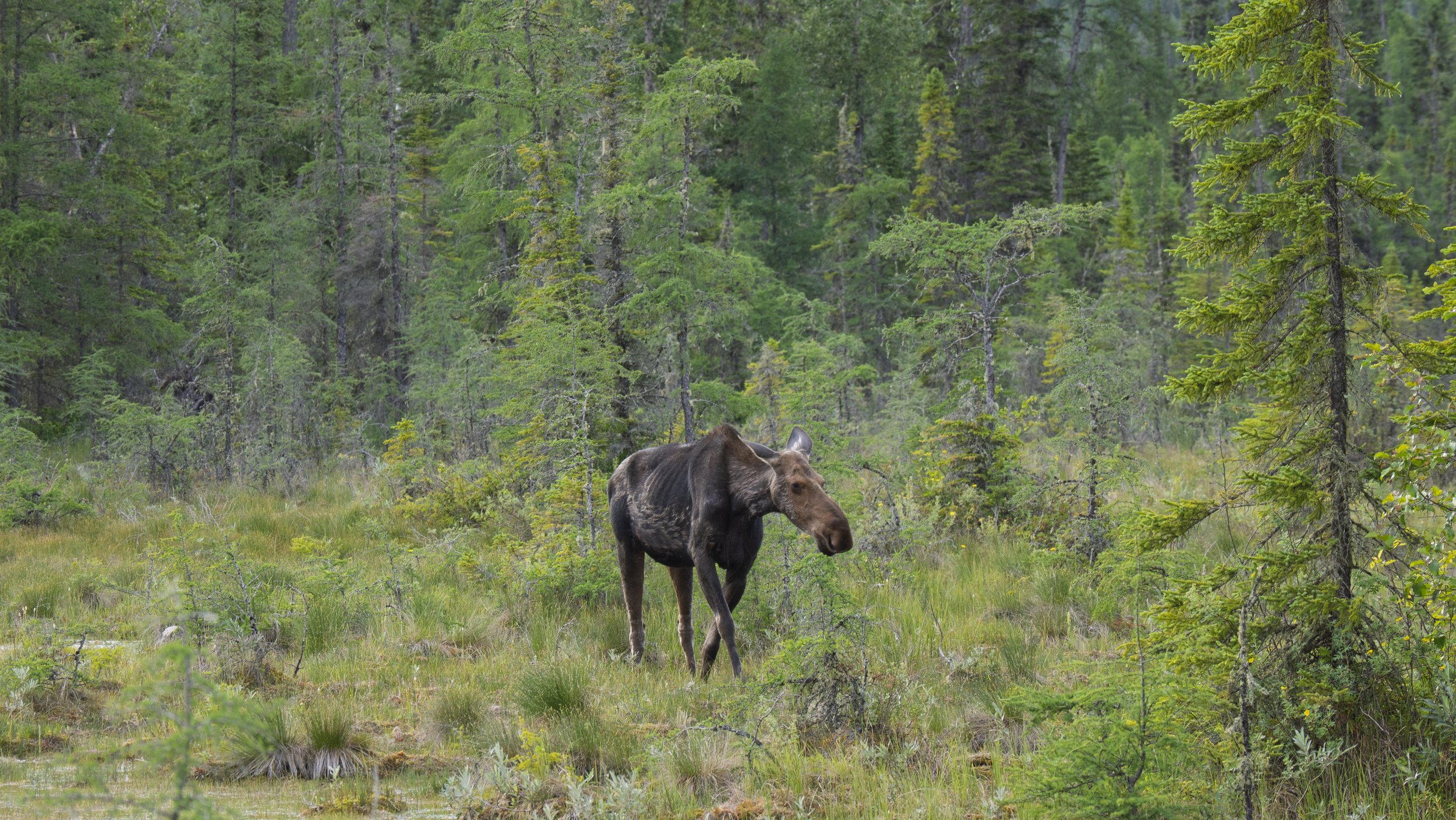
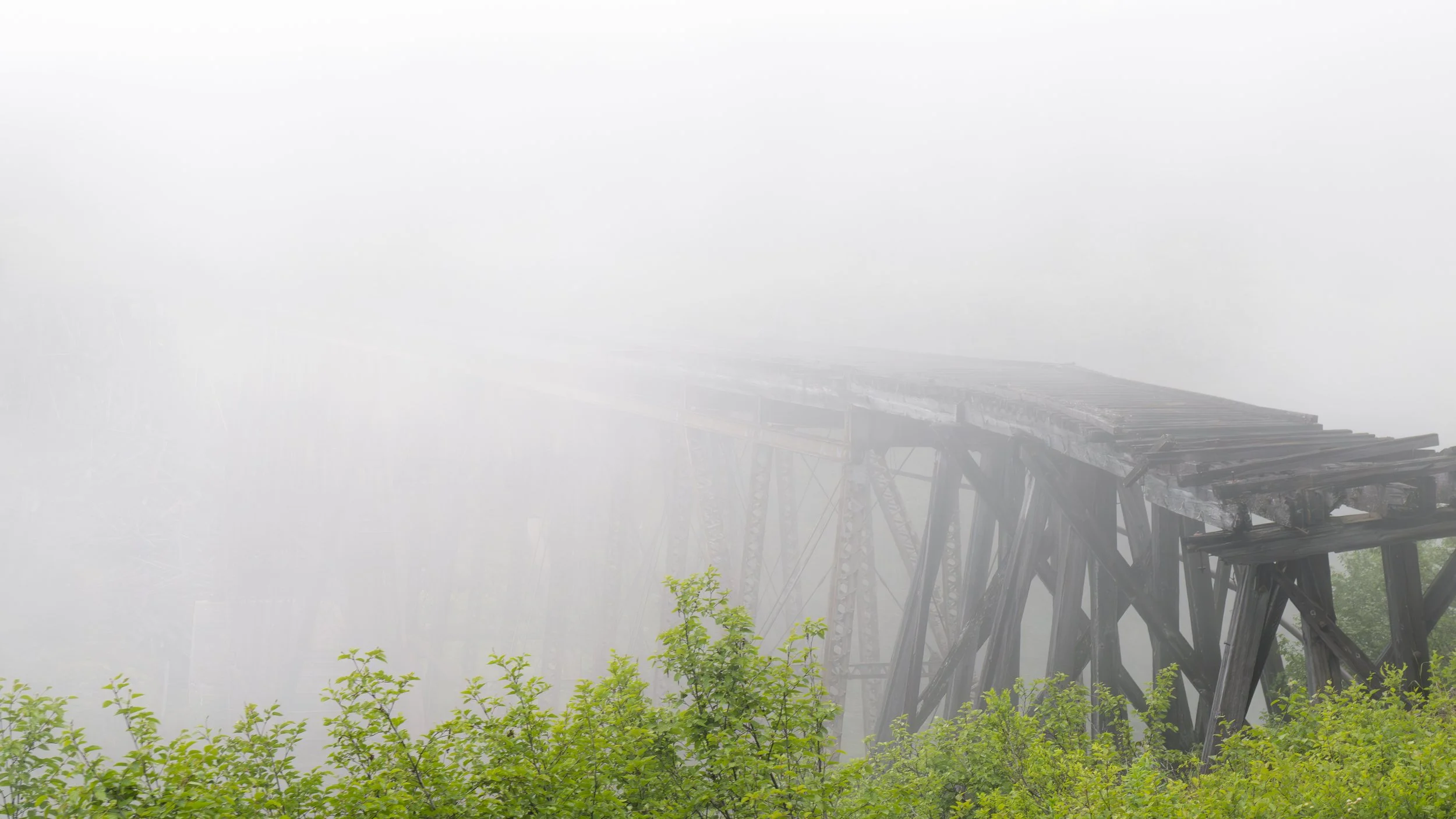
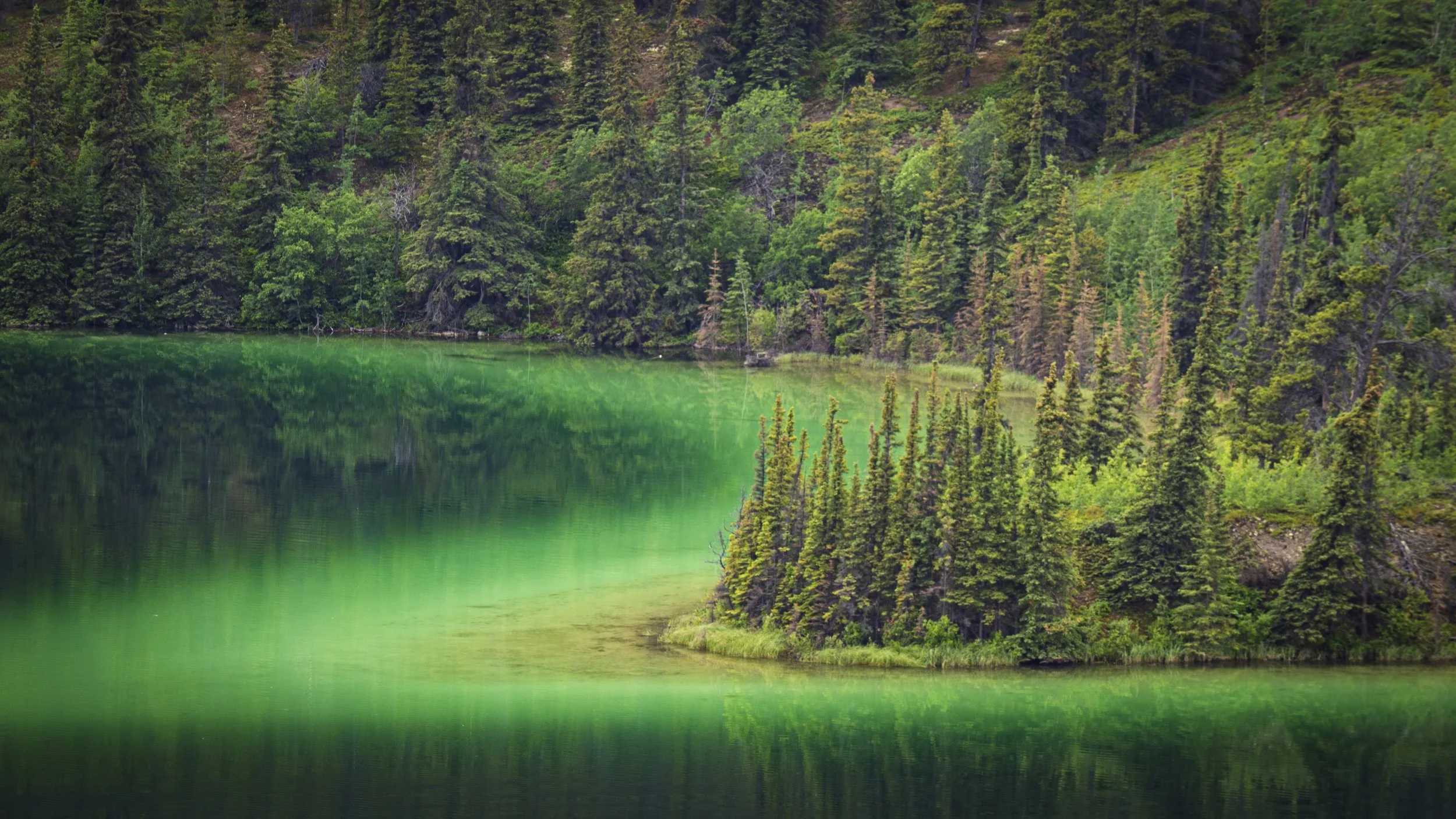
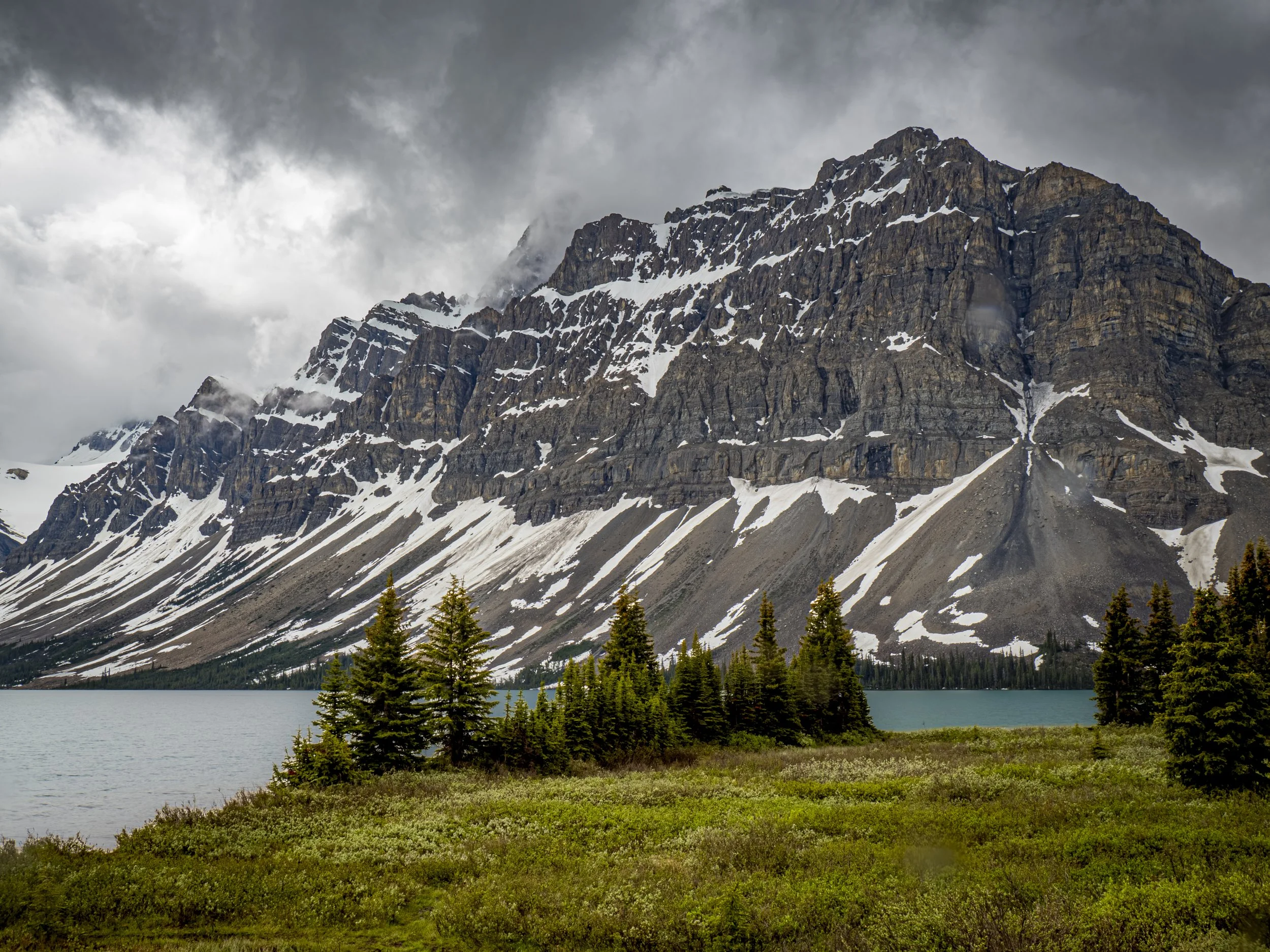
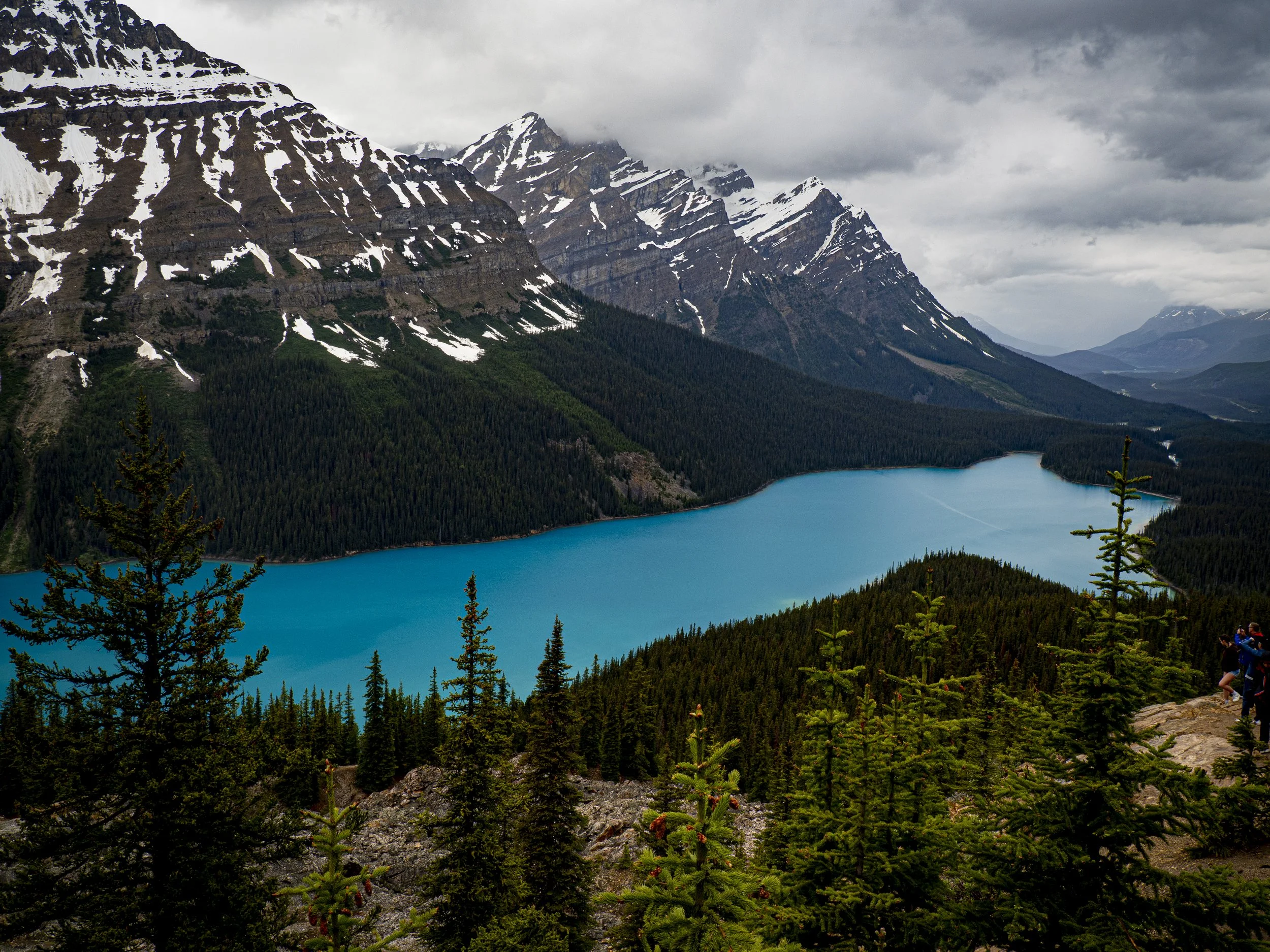
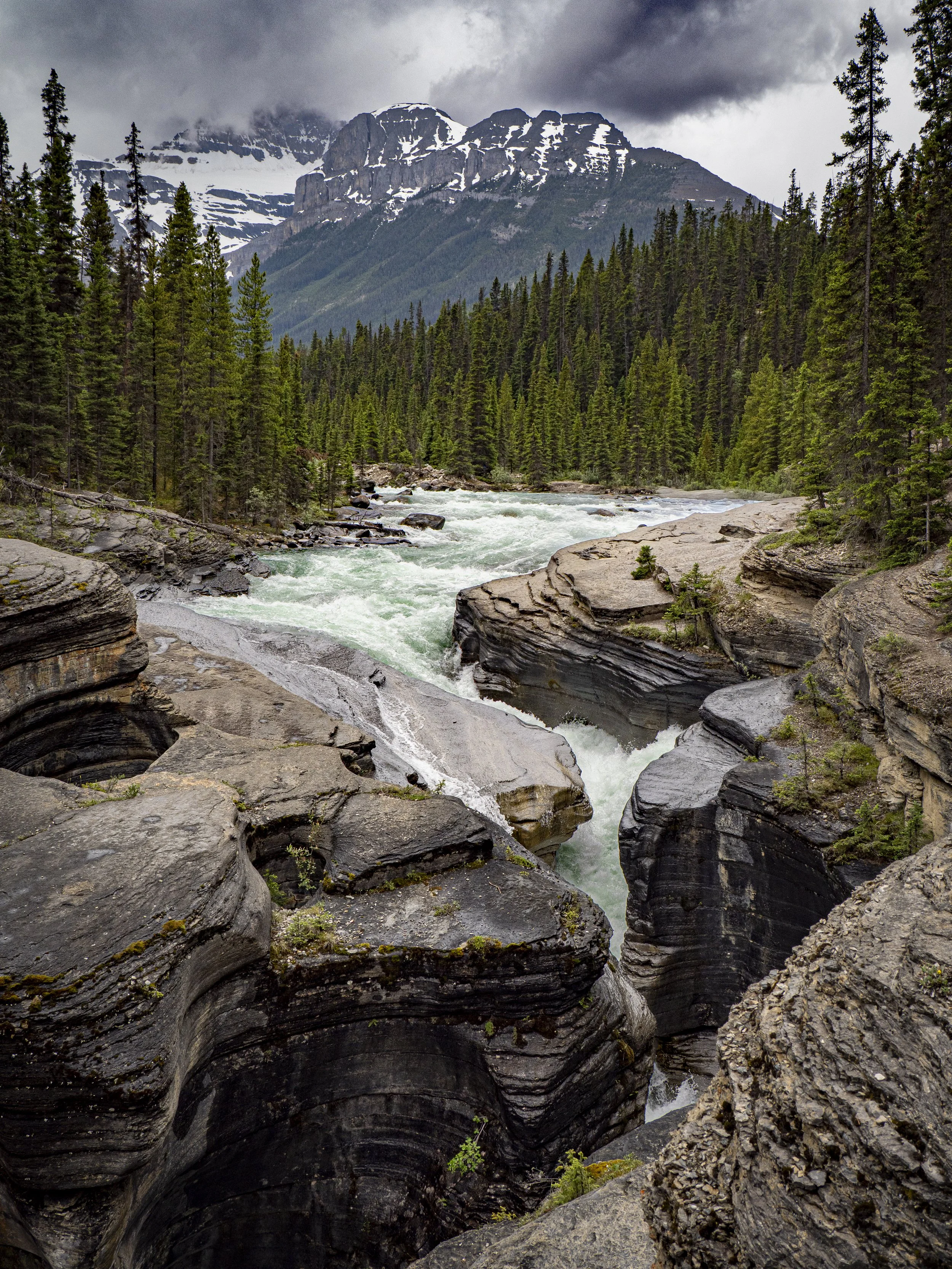
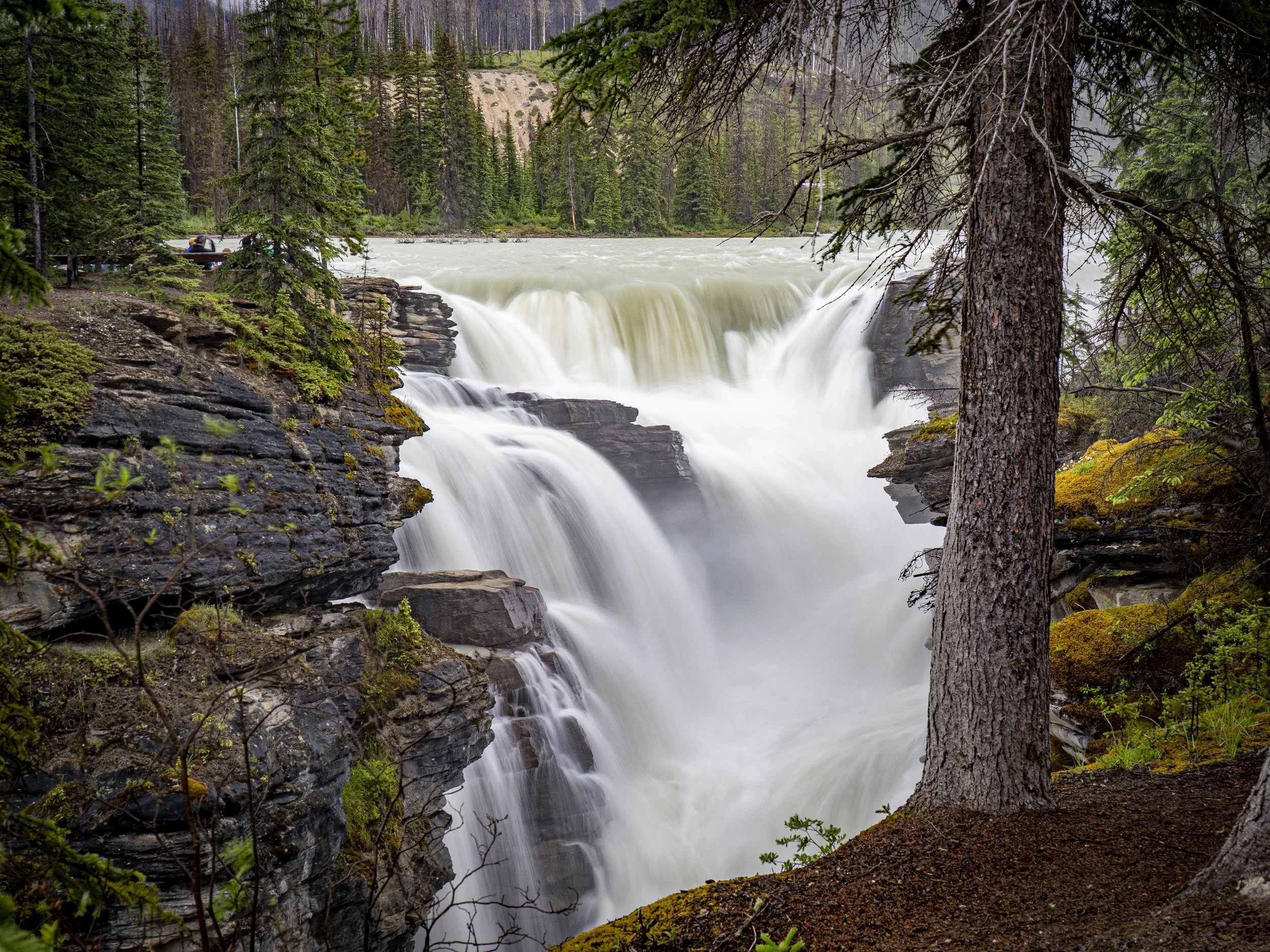
I suppose I should finish off a few details of our trip to Alaska. It was one of the most remarkable experiences of my life. Since arriving home, our lives have been a whirlwind, and we are at this time out on another excursion. I have yet to process all that we saw, experienced, learned, and enjoyed. When I review my photos, I almost find it hard to believe it ever happened. I hope we return one day. If we do, it will be a different journey, executed in a different manner. We followed a road, the Alaska Highway, aka the Alcan for the majority of our miles. Once in Alaska, we visited the main tourist paths and locales. When we return, I seek a more isolated and meditative experience. I would be happy to choose a single location, beside a lake or stream, at the foot of a mountain, deep in a forest where I can breathe the air and more deeply prob into the life and soul of that great wilderness. For now, though, I have other priorities and responsibilities to give attention to.

Mount Sneffels in the San Juan Mountains of Colorado at sunrise.
For those interested in making a similar journey, here are a few stats:
Total mileage: 7,340
I only tracked the miles of our trailer, not our tow vehicle. I would imagine there were an additional 1,000 miles for miscellaneous driving from our various campsites.
Days traveling: 72
I planned to be away for 3 months. We traveled for nearly 12 weeks, the longest trip we have driven.
Cost of fuel: $1,923.07
The cost is irrelevant. If one goes, one simply pays the going rate. There isn’t much point shopping for the cheapest gas. You fuel up when you can and don’t worry about it.

The San Juan Mountains at sunrise.
Camping fees: $1,794.62
We mostly stayed in established campgrounds. We learned that the word “resort” is a cute marketing gimmick. We learned not to give in to false advertising. Most campgrounds are adequate. We were there for the experience that happened between campsites, not at any particular “resort”.
Dining out: $1,122.72
This expense surprised me. We ate out more than I expected. We have simple tastes. Most of our camp meals were just a burger or an occasional stir fry.
Nights in a hotel: 1

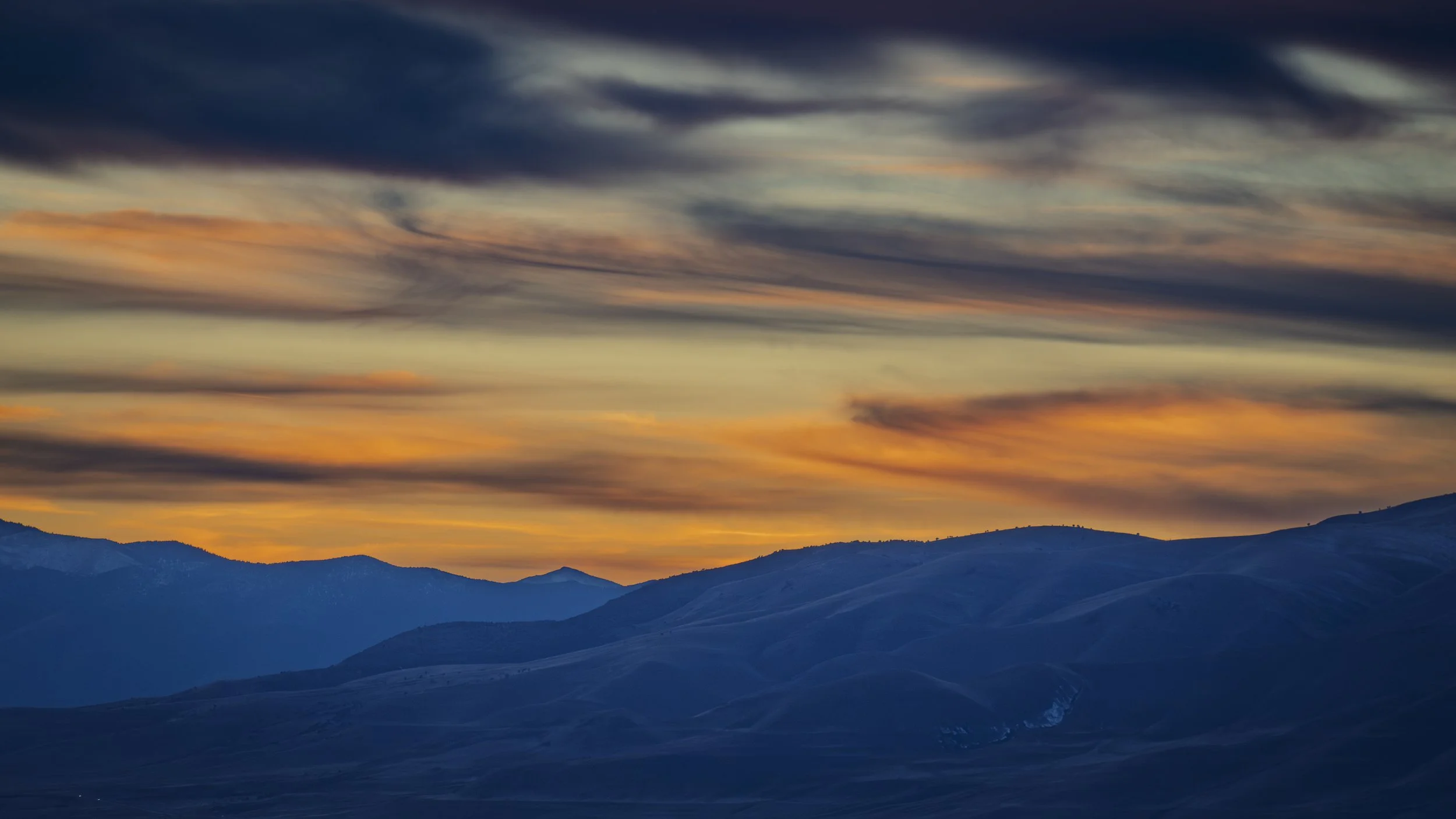
The Cimarron Mountains of Colorado. Sunset.
Experiences (tours, museums, historical sites, etc.): $1,764.35
Number of photographs: 4,000+
It will take me months to work my way through all the photographs. I’m unsure what to do with them anyway.

Sunset over Great Sand Dunes National Park.
What I learned along the way:
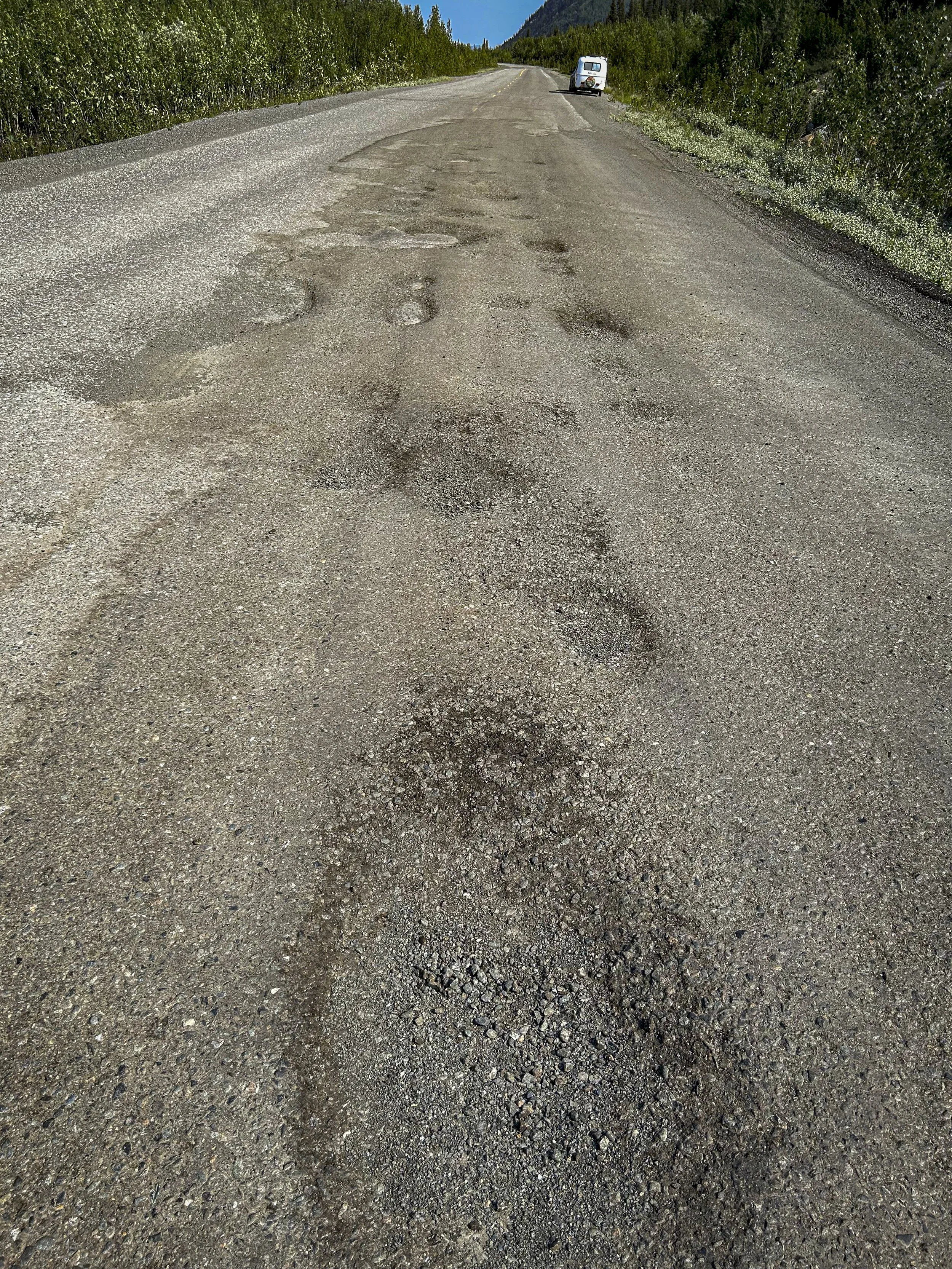
The road across the Yukon is strewn with potholes. Some seem big enough to swallow a car (not really). In our attempts to dodge a nasty one, we often hit the hidden one behind. I learned that life is full of potholes, some can easily be avoided while others not so. If I focused on the potholes, I missed the magnificent scenery we were driving through.
Like the potholes, permafrost is another nuisance to navigate. Frost heaves in the permafrost cause the road to buckle, dip, or rise. The best way to avoid a wicked bounce of the trailer was to watch for signs and slow down. Most of the bad ones are marked and the ones that aren’t can be identified by skid marks or scrapes in the road. Stay alert and watch for signs, but also, enjoy those mountain vistas.

Wind on the dunes.
Our premise: only drive 150 miles a day. That was the best choice we made in planning the trip. The journey was to be enjoyed, not endured.
Regrets on this trip:
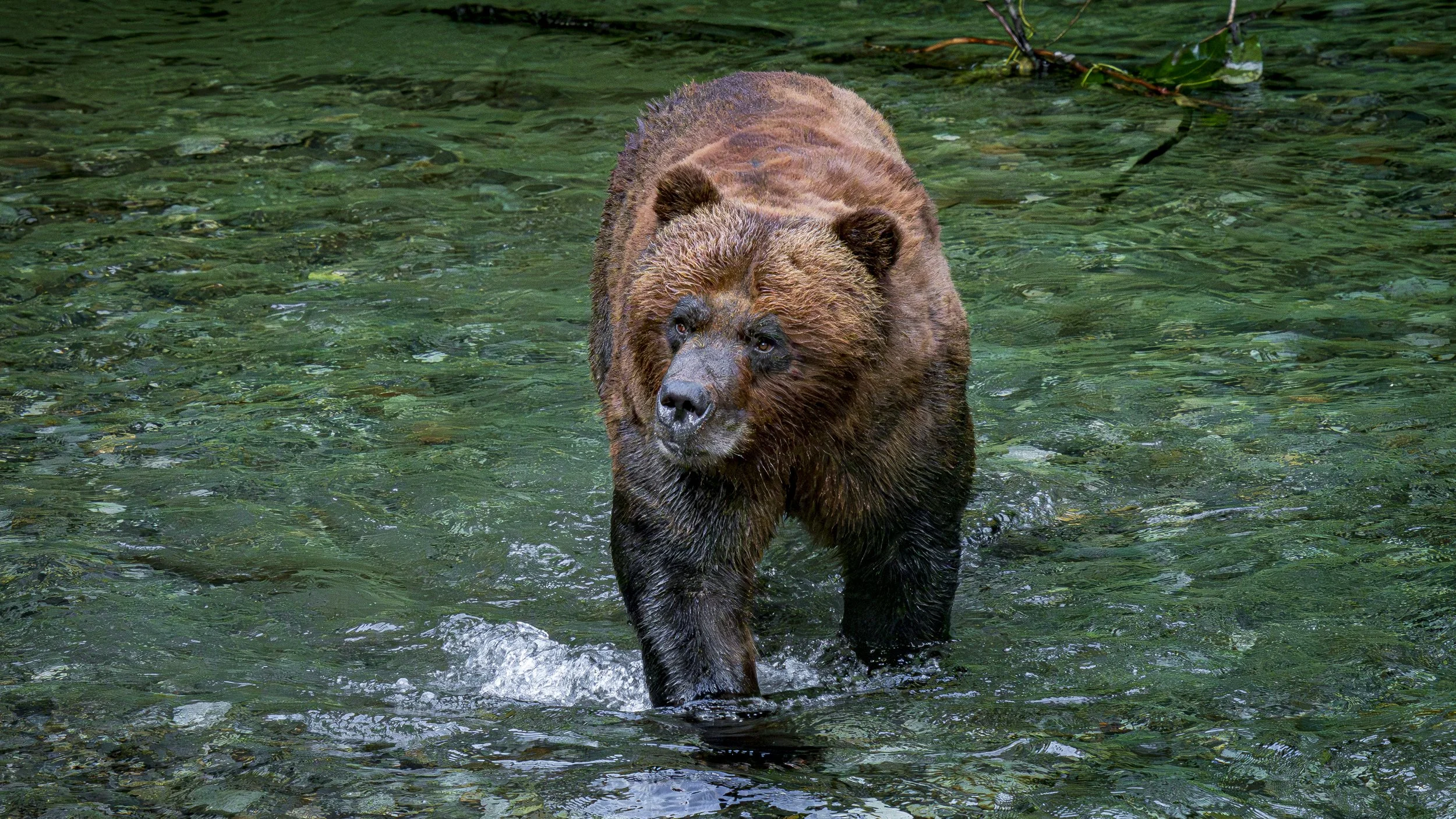
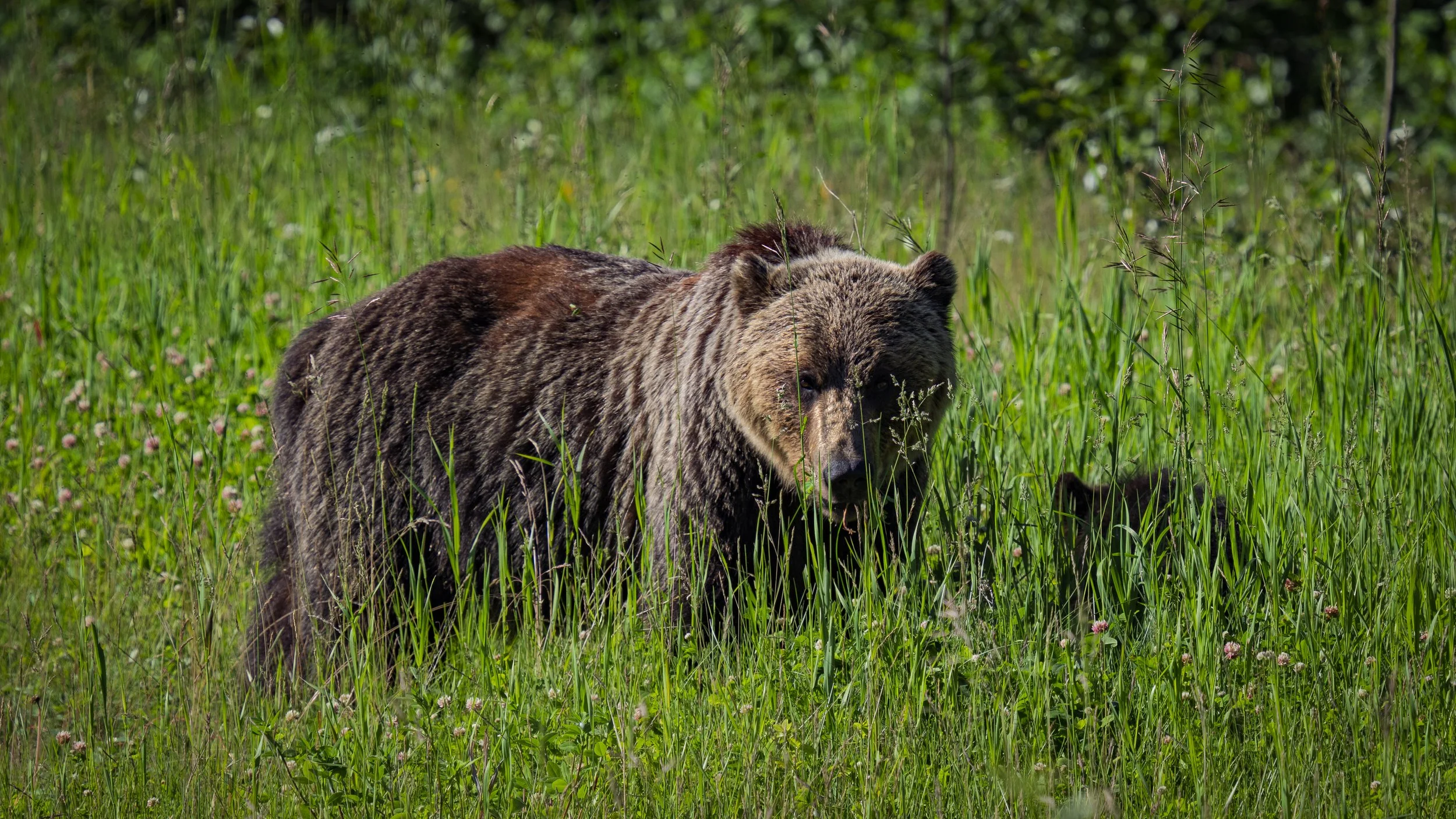
I never got to use my bear spray.

Great Sand Dunes National Park at sunset.
And now we are off to Alabama. We have kids and grandkids we haven’t seen in a long time. We’re making our way through Colorado, clipping the corner of New Mexico, crossing Oklahoma, Arkansas, a bit of Mississippi, and ending in Huntsville. I’m not sure what route we will follow on the way home. This will likely be a month-long adventure.

Dunes at sunrise.